Search results for: “good news”

  • Where Are Our Heroes?

    Where Are Our Heroes?

    A youth worker from Arizona posted in a Facebook group:

    Do you any of you carry during youth events? Concealed or open?

    A shocking number of practicing ministers responded affirmatively. They carry a gun while working with teenagers.

    A minister of the Good News of Jesus Christ standing before his flock armed with a loaded handgun.

    Let that sink in.

    It’s simply unfathomably wrong to me. Yes, Americans have a right to bears arms. But a representative of Jesus bears sacred rites that far exceed the man made rights of a nation-state.

    Here are three specific reasons I believe it’s wrong for a pastor to carry a handgun in the course of his duties:

    1. It’s Contrary to the New Testament Narrative of Pastoral and Apostolic Work

    On Sunday, we celebrated the resurrection of Jesus. Remember the Garden? Jesus, the Second Adam, was tempted one last time by Satan.

    Whereas Adam and Eve failed the test in the garden:

     “You will not certainly die,” the serpent said to the woman. “For God knows that when you eat from it your eyes will be opened, and you will be like God, knowing good and evil.” – Genesis 3:4-5

    Confronted with controlling the knowledge of life and death, Adam failed.

    But Jesus did not. This is at the very heart of understanding the Gospel message. This is why we celebrate Resurrection and the conquering of sin in the first place! In the Garden, tempted with control over his very life, Jesus conquered death… not with the sword… but by power that comes only from the Father.

    Then Simon Peter, who had a sword, drew it and struck the high priest’s servant, cutting off his right ear. (The servant’s name was Malchus.)

    Jesus commanded Peter, “Put your sword away! Shall I not drink the cup the Father has given me?”

    John 18:10-11

    Now, gun advocates cling to phrases from the New Testament to try to justify their right to carry a gun or protect themselves. Let’s peak at the oft referred to Luke 22:36, He said to them, “But now if you have a purse, take it, and also a bag; and if you don’t have a sword, sell your cloak and buy one.) They take this as Jesus commanding his disciples to arm themselves for self-defense… which surely means you can own a gun for self-defense, right? But don’t forget… that sword Jesus told them to go get? That conversation took place the night of Judas’ betrayal. That sword that Jesus told them to get is the same one he told Peter to put away. Oops.

    And still people cling to this?

    Of course, you don’t see many people preaching with a purse and a bag, or even a sword. This is the maddening joy of literalism! Literalism allows you to contextualize what you want while ignoring other aspects of the same verse! Why is it that this somehow justifies owning a handgun for self-protection in the home when the men Jesus was talking to had no home? Why is it about carrying a gun at all? Why don’t Christian bookstores sell purses, handbags, and swords in the pastoral resources department? That is, after all, so precious a command.

    Instead, what we see is Jesus’ followers doing the exact opposite. Not only did Jesus not defend himself in the Garden, not only did he command Peter to put his sword away…. Christian tradition holds that each of the men in the garden with Jesus went on to suffer a similar defenseless death as Apostolic leaders. (With the exception of John, who apparently died of old age.) Moreover, the Apostle Paul and the first generation of pastors planting churches all over the world did not arm themselves as they traveled! In fact, the example of Paul giving his life to the cause of Jesus while remaining defenseless was the great catalyst of growth for Christianity in the first 100 years.

    Therefore, I urge you, brothers and sisters, in view of God’s mercy, to offer your bodies as a living sacrifice, holy and pleasing to God—this is your true and proper worship. Romans 12:1

    The cult of Judaism known as The Way, had they armed themselves, would not have survived the first century! The secret sauce of Christianity’s spread under the thumb of the Roman empire was that it was not an insurrection of the sword, it was an insurrection of the heart. Pax Romani would have never allowed a militia of armed religious leaders gathering up people! But men accused of overthrowing Pax Romani with a message of love and forgiveness? This proved unstoppable.

    To argue that a Christian leader should arm himself in the course of his sacred duties is to deny the very actions of Jesus and first century Christian leaders. You cannot read the Gospels, Acts, or the Pastoral Epistles and argue otherwise.

    2. It’s Contrary to the Historical Position of Pastor Throughout the Centuries

    When I saw that Facebook post I instantly thought of the martyrs.

    Nate Saint and familyCan you imagine Nate Saint, Jim Elliot, Ed McCully, Pete Flemming, and Roger Youderian being known not for dying at the hands of the Huaorani but instead tried for crimes against humanity as they defended themselves on Palm Beach? “They threw spears at us so we shot them.” (Read more)

    But don’t forget the preachers, who for millennia have gone before us.

    Can you imagine Charles Spurgeon, pistol in hand, preaching these words on April 14th, 1840?

    Let us stand to our preaching like soldiers to their guns. The pulpit is the Thermopylae of Christendom where our foes shall receive a check; the field of Waterloo where they shall sustain a defeat. Let us preach, and preach evermore! (Charles Spurgeon, sermon The Model Home Mission and the Model Home Missionary, April 14th 1840)

    Maybe he’d squeeze off a few rounds right there, just to make a dramatic point?

    Can you imagine an armed Billy Graham? How about Billy Sunday in his Chicago White Sox uniform with a sidearm… just in case? You know he preached to the drunk and scoundrels of his day, surely that was less safe than a church youth room.

    And what about military chaplains? You know… men who go into combat to minister to soldiers. Surely those guys have sidearms… you know, just in case? No. Throughout history chaplains on the battlefield have been unarmed.
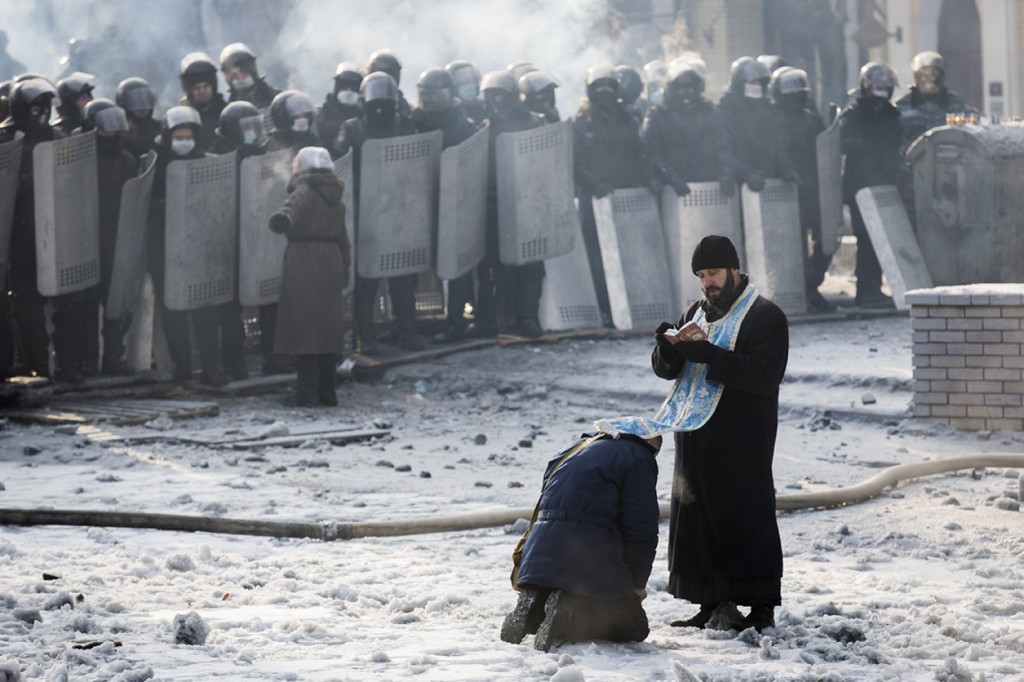
    Dramatic photos: Ukraine’s priests take an active role in protests
    A man kneels before an Orthodox priest in an area separating police and anti-government protesters near Dynamo Stadium on Jan. 25, 2014, in Kiev. (Rob Stothard/Getty Images)

    Just two years ago Ukrainian clergy of all Christian traditions bravely stood, unarmed, in the lines between unarmed protestors and the government-controlled, heavily armed henchmen sent by the former president to gun them down.

    What about those men’s right to defend themselves? Why didn’t they arm themselves instead of being murdered in the streets by their own government?

    Throughout history you will see that clergy– when acting in good faith– rarely arm themselves. Instead churches are places of sanctuary and refuge from the battles of the day. And you would be hard pressed to find clergy with concealed handguns in the pulpit while teaching the word of God!

    3. It’s Contrary to the Needs of Today’s Teenagers

    Look, let’s say you forget the New Testament narrative. Let’s say you discard completely the historical role of the pastor. Let’s say that you’ve only got the teenagers in front of you to serve the best that you can figure out yourself.

    Do the teenagers in your youth group need to see a person teaching them the bible or taking them on a mission trip with a handgun? How can you say “Put your life, future, and faith in Jesus” while showing them with your actions that you don’t? A teenager is wondering, “Is this stuff true? Can Jesus really transform my life, the way I think? Can Jesus give me a new life? Can he forgive my sins… like for real?” and the actions of the youth pastor who is standing there with a Bible on his phone and a gun on his hip seems to contradict the whole thing. “He doesn’t put his life in Jesus’ hands… look, he has a gun. He decides who lives and dies.

    So play it out. Let’s say that you’re playing Chubby Bunny with 30 teenagers and a man walks in with a gun. Is the only possible resolution to that scenario that the youth pastor pulls out a gun and kills that person in the youth room? The power of Christ is limited to bloodshed? I pray not. What happens if a teenager gets pissed off and runs into the youth room with a baseball bat or a knife? Is the youth pastor going to discharge his weapon at a teenager he’s been called by the church to minister to? I pray not.

    Let’s pray not.

    So why is the youth pastor carrying a gun in the first place? I can only guess at the reasoning.

    Where Are the Heroes?

    When I saw the Facebook post this morning my heart sunk and my mind raced. I hurt for my tribe. Are we so insecure in our faith that we arm ourselves to go to work? At a church. A CHURCH!!!!

    Surely, we don’t live in a country where a youth pastor is so fearful for his life that he arms himself while teaching the Word of God, do we?

    And it made me wonder… Where are the Heroes?

    Surely, someone can speak to the nonsense? Surely there is a voice that people respect enough to listen to and admit that their behavior does not reflect the position they hold nor the faith they profess.

    Surely, someone can help a fellow minister of the Gospel understand that the Second Amendment of the United States is subservient to our God who holds power over government and nations? He is the author and finisher of life. He feeds the sparrows. Like our old preacher Ray Pritchard loved to say, “He is God and we are not.”

    And yet…. Where are the voices pulling people aside to say that preaching while armed is wrong? Where are the steady voices reminding leaders that the power of Jesus is bigger, better, and more awesome than the perceived power you feel carrying a gun while teaching teenagers in a church?

    My fear is that we’ve exchanged our heroes for Christian celebrities. A hero stands up for what’s right, says and does what needs to be done, and doesn’t worry about making people made. A celebrity? He offends no one. He protects his brand. He murmurs to his friends while saying nothing to his fans.

    We need fewer celebrities and more heroes.

    Where are the heroes?

    Where?

    I see none.

    My Heroes Didn’t Need Guns

    I am thankful for the youth pastors in my life who were heroes to me.

    My first exposure to youth group came on an army base in Germany. Ironically, we met in a middle school about 100 yards from a firing range where helicopters and mortars and tanks regularly practiced their crafts of destruction.

    Our volunteers were soldiers. And the students they ministered to had moms and dads who knew combat. Not the stuff you see on TV, they knew the real thing.

    Did Dan arm himself? Of course not. He fears only God. He respects his role in lives too much. (Though, like myself, Dan doesn’t mind guns for sport or even target shooting.) I learned a lot from him about whom and what to fear. Even now, as we’re both a little older, Dan continues to teach me that lesson. Life has thrown him some pretty nasty curve balls but his hope, his future, and his day-to-day… they remain in Jesus.

    We need heroes like Dan. I pray that each teenager who walks into a church gets the pleasure of learning from a man or woman like Dan, a hero of the faith, unconcerned about anything else but the primacy of the risen Christ, even his own life.

  • The Unmoored Life

    The Unmoored Life

    The Word became flesh and blood,
        and moved into the neighborhood.
    We saw the glory with our own eyes,
        the one-of-a-kind glory,
        like Father, like Son,
    Generous inside and out,
        true from start to finish.

    John 1:14, The Message

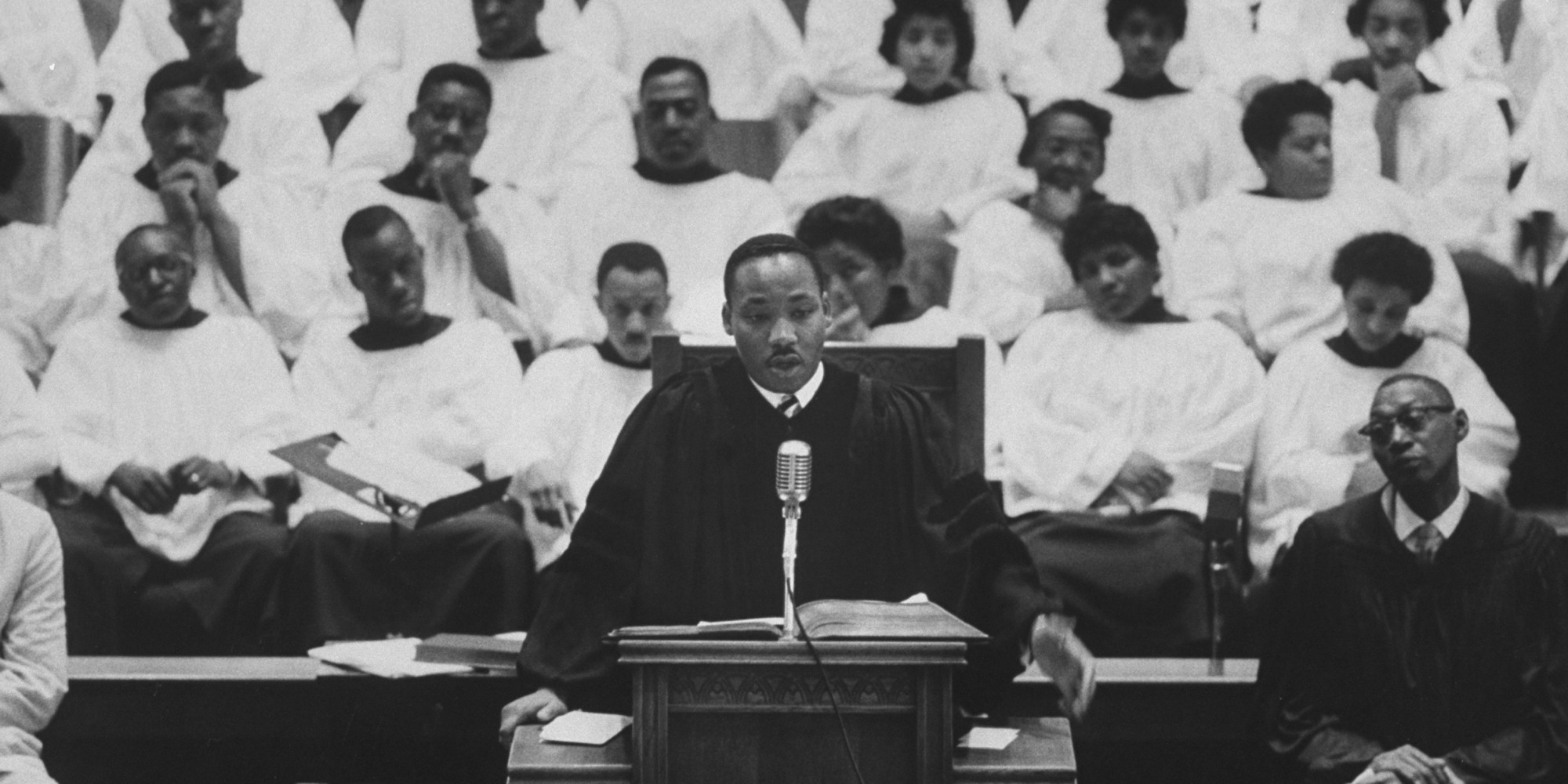
    Dr. King’s life reminds me that vocational ministry isn’t limited to church employment. Our calling is bigger than a job.

    The incarnation of Jesus takes the Good News preached in our pulpits and invites us to live it out as good news in the neighborhood.

    The Unmoored Ministry

    It’s been several years since I last worked in a church. It’s a funny thing… you spend a decade pursuing one thing [a career on church staff] and then God invites you to explore something entirely different. [a career serving the church outside of church employment]

    If I’m honest I’ve not really recovered. I feel “on purpose” in my work but not quite in the same way as every day grinding it out on staff. And as I’ve written before this sometimes leaves me feeling disconnected and lost. “What am I doing here?” That’s not an unusual question for a Sunday morning. The answer is unsettling: “Just sitting here in this chair, counting down the seconds until it’s over.”

    For me, that’s where Dr. King provides some inspiration.

    The things we celebrate about Dr. King? Most of them happened when he answered God’s vocational ministry calling by doing something else. Yes, some of that happened when he was leading a congregation. But the big things? They came later.

    As I push through a season of feeling a bit unmoored that’s good news to me.

    Yes, working in a church is honorable and good. I have many, many friends who work on staff at a local church.

    But yes, serving God in whatever you do? That’s important stuff too.

    I need to reflect and remember that vocation is different than work. My vocation hasn’t changed. In fact, I might just be leaning into it harder than ever.

  • America is Safer Today Than When You Grew Up

    America is Safer Today Than When You Grew Up

    I hear it all the time.

    Things just aren’t what they used to be.” 

    And I correct it all the time. “Actually, did you know that every measure of crime in America is down since you grew up? Did you know that things are so much better?” 

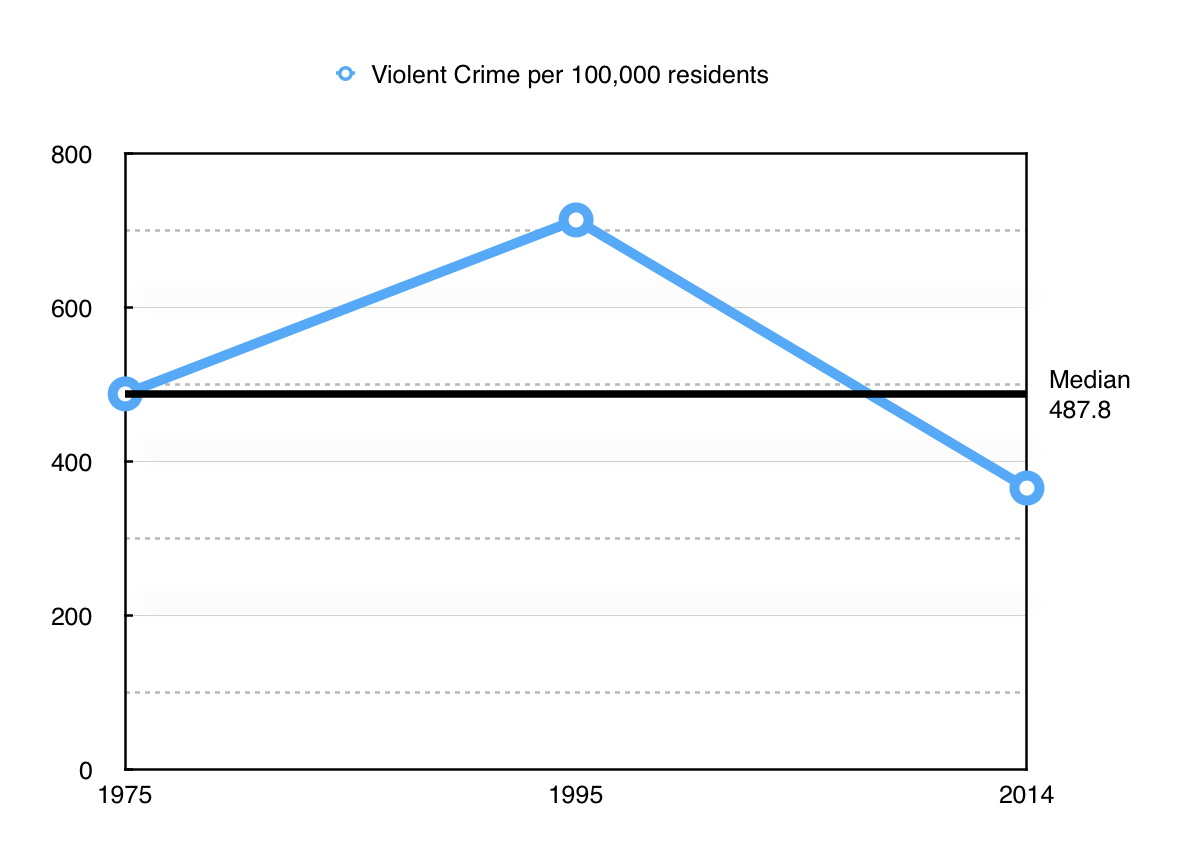
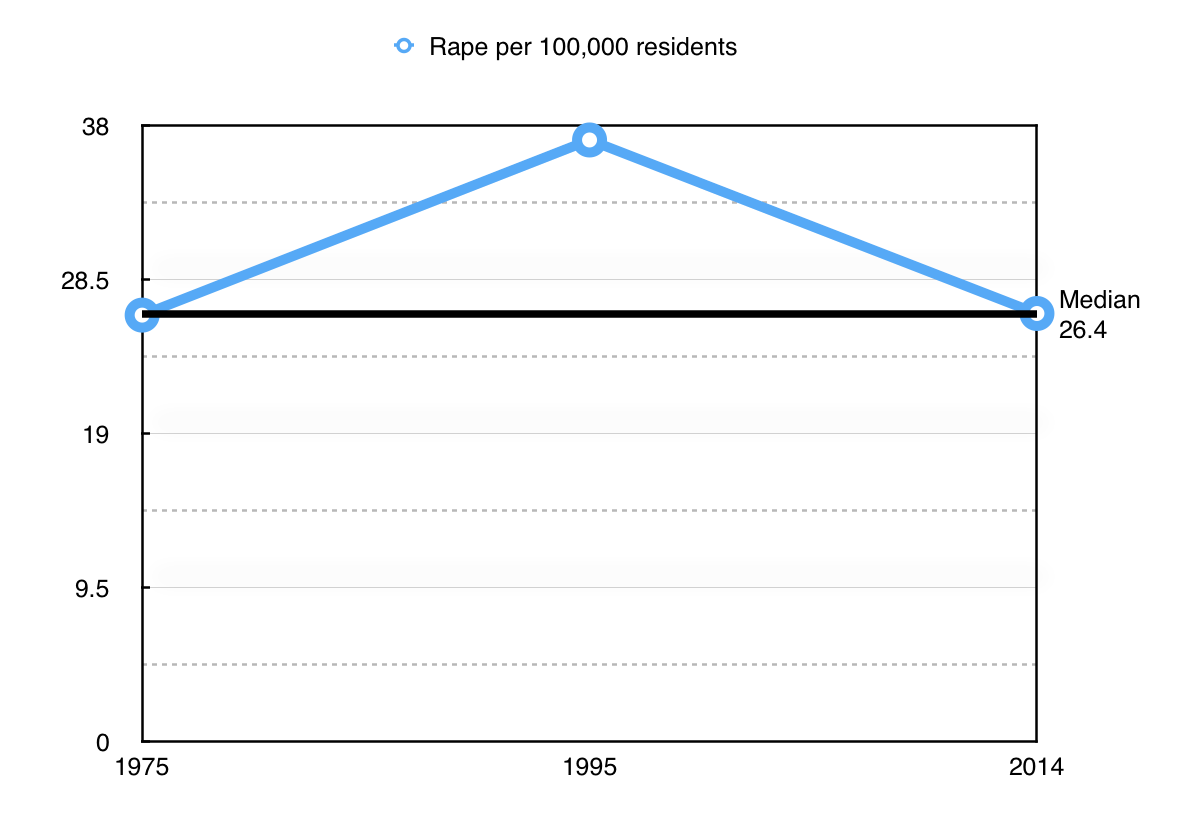
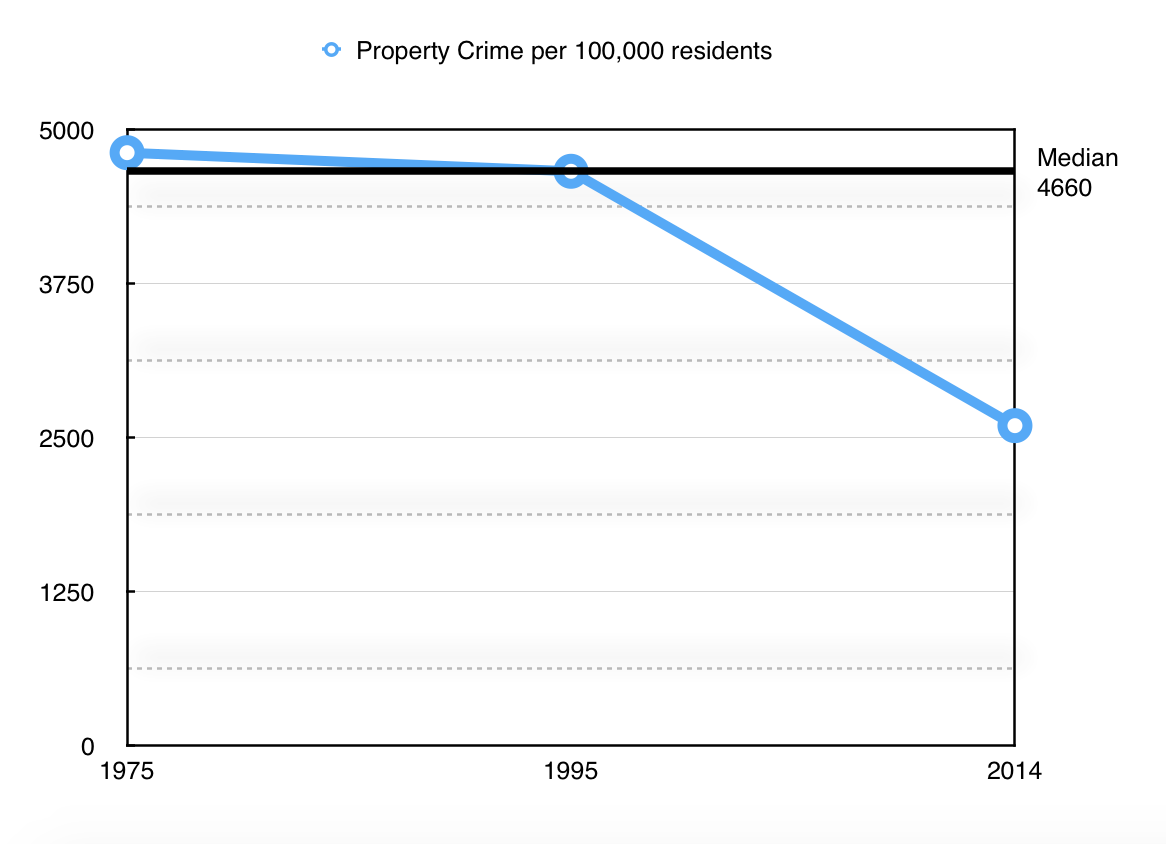
    Comparing 1975 to 1995 to 2014 Crime Stats

    Screen Shot 2015-12-12 at 7.36.21 AMViolent Crime data (includes things like murder, assault, rape)
    • 1975 – 487.8 per 100,000 (source)
    • 1995 – 713.6 per 100,000 (source)
    • 2014 – 365.5 per 100,000 (source)

    Screen Shot 2015-12-12 at 7.37.49 AM

    Rape data 

    • 1975 – 26.3 per 100,000 (source)
    • 1995 – 37.1 per 100,000 – (source)
    • 2015 – 26.4 per 100,000 – (source)

    Screen Shot 2015-12-12 at 7.38.53 AM

    Property Crime data (includes burglary, larceny-theft, motor vehicle theft, arson, and things like that)

    • 1975 – 4811 per 100,000 – (source)
    • 1995 – 4660 per 100,000 – (source)
    • 2015 – 2,596.1 per 100,000 – (source)

    WOW!

    See, this is data. While the narrative, that “this country is horribly dangerous” is powerful… there’s an inconvenient truth. Our nation is so-much-better than when we were growing up.

    Less murder.

    Less rape.

    Less kidnappings.

    Less home invasions.

    Less carjackings.

    Less E.V.E.R.Y.T.H.I.N.G.

    Why Isn’t This Known?

    Why is the news full of bad news when things are actually getting better? Why do people say, “I don’t want to have kids because I don’t want to bring them into this kind of world?”

    Um, your community is significantly safer than the one you grew up in.

    So why? 

    [insert commercial break]

    [insert :15 trailer for 10 o’clock news]

    [insert clicking on “breaking news” on Twitter]

    Because bad news sells better than good news.  

  • The Incarnation and Networked publics

    The Incarnation and Networked publics

    A couple weeks back I went to the Association of Youth Ministry Educators annual conference, affectionately known as AYME.

    I was there as an exhibitor for the Cartel. But since the topic of this years conference was Technology and Transformation I got to attend as a learner, as well. (How awesome that they had a conference built around my expertise!) So I had the opportunity to hear from several brilliant minds around the general topics of social media, youth ministry, and how faith formation is being impacted by a social-media-fueled adolescent experience.

    I took pages and pages of notes. I bought books on top of books that will take me months to get through. And at the end of it I walked away with two prevailing thoughts that I’ll be exploring over the next several months here on the blog and in work that I’ll hopefully publish somewhere else. (Both of which I’ll not be mentioning here.)

    What Does Incarnational Ministry Mean with Networked Publics?

    At the end of the day youth workers just need to know what to do. I’m often asked by adults who minister to teenagers about various apps, about ministry best practices, and about ways to market to teenagers effectively.

    So let’s cut to the chase: Should youth workers being hanging out with teenagers online the way they used to hang out with teenagers at football games? 

    • Thought One: At the root of most of my [Sonlife informed] youth ministry training is the incarnation of Christ. John 1 provides a model, just as Jesus came into the world as good news in his neighborhood, so should I enter into the lives of teenagers as a youth worker.  So that’s my background and bias…
    • Thought Two: As Danah Boyd points out in her book, It’s Complicated [the premier sociological work on social media and adolescence right now] teenagers have largely had traditional face-to-face publics eliminated and have largely moved to what Boyd calls, Networked Publics.
    • Thoughts Three: Youth ministry, as a profession, is in a place where accountability and professionalism in the relationship with teenagers is important. If we, as a tribe, do not address ways to do this– ultimately to keep teenagers safer and hold adults accountable for the relationships they have with the minors in their ministry– we will continue to see our profession pushed to the margins.

    With those three prevailing thoughts in my mind here’s what I’m thinking: I don’t think youth workers should be engaging with teenagers on social in a regular one-on-one basis without accountability, documentation, policies, and training.

    In other words, a casual connection or a logistical “Hey, are you coming to the retreat?” is one thing. But I think youth workers would be better off engaging with teenagers in real life, even going back to old-school-incarnational-ministry standards like contact work on the local campus or limiting their relational time to officially sanctioned youth ministry meetings and events.

    See, to read Boyd’s work about teenagers networked publics and think to yourself… “If teenagers are there, I need to be there” is a misinterpretation of Boyd’s work. She’s saying that they’ve resorted to networked publics because they can’t find anywhere else that’s adult-free. And not having any place to just be a teenager without adults prying eyes is a big developmental thing… So if you suddenly start butting in to that one place in their entire life where they can talk freely, without the prying eyes of a parent or adult… all you’re doing is forcing them to find another place where they “really talk” without you. It’s a developmental need.

    Never mind the fact that– quite frankly, teenagers think adults talking to them or sending them gifs or snaps online is creepy.

    So, in my very limited time this morning, this is why I would argue that social media is not a place for incarnation youth ministry. But it is, in many cases, an excellent place for youth ministry communication.

    Keep your contacts with teenagers online logistical or promotional. Leave conversations and relationship building for face-to-face.

  • David on Tinder

    David on Tinder

    One evening David got up from his bed and walked around on the roof of the palace. From his phone he saw a woman, the woman was very beautiful, and David swiped to the right. She came to him, and he slept with her. Then she went back home.

    2 Samuel 11:2-4, on Tinder

    I’ve been thinking a lot about teenagers and relationships in a social media saturated culture lately.

    On the one hand, I attended the Association of Youth Ministry Educators annual conference this past weekend, and the topic was Technology and Transformation. There I heard lots of presentations about adolescent life and the role technology is playing. Stuff which I’ll be unpacking in the weeks to come here on the blog.

    On the other hand, I’m engaged with lots of real life adolescents regarding issues of technologies is bringing to their life over and over again. One of which is a fundamental shift in how people meet one another romantically. The vast majority of young adults are meeting people for the first time online. Their parents? They didn’t do that. Most of the people in their life are suspicious of dating people they first met online. It’s a practice with lots of upside, but also lots of downside. Think about it: Judging purely on looks or the ability to create a profile… how many married people would have ever met their spouse in that context? Likewise, what does it feel like to have your romantic prospects judged purely on looks alone?

    Women are seemingly left with endless choices.

    Men are like…

    tinderbot

    And both, from what I can tell from talking to people, are left feeling shallow. Even people who are allegedly looking for a cheap hook-up encounter are really looking and hoping for something more.

    There’s a great meme floating around about “catching feelings” for someone you’ve hooked up with or have a “friends with benefits” arrangement with.

    50568042

    It’s as if there’s an assumption that you can have emotionless sex. Becoming attached to someone isn’t just a thing rooted in morality or religion, it’s rooted in biology.

    Can the Bible help? Do Christians have a message of Good News for our Sexuality? Do we have anything to say in a world of ever-evolving attitudes about sexuality? This was the question Adam Mearse asked a room full of Christian educators yesterday.

    I believe we do. 

    But I think we’re going to have to deal with our own selves first. We’re going to have to set aside the crap we taught in the 1980s, 1990s, held on to during the 2000s, and clung to in the early 2010s like it’d somehow come back.

    Ready to get started? Start by checking out Amanda Linhart’s latest research at Pew Internet, Teens, Technology, and Romantic Relationships

  • Other People’s Sin

    The past few months have been a reminder that sin splatters like a can of paint falling off of a shelf.

    It’s messy. It gets on you. But it also sprays out indiscriminately on things near and far, related and unrelated.

    We tend to think of the impact of sin as being mostly personal. Not so.

    The Example of Porn

    When a person looks at pornography they are committing a personal sin that is sexual. Jesus said:

    You have heard that it was said, ‘You shall not commit adultery.’ But I tell you that anyone who looks at a woman lustfully has already committed adultery with her in his heart.

    Matthew 5:27-28

    Yet that sin has a spiraling impact beyond that person’s personal sin of lust…

    • Lust impacts sexual relationships with a spouse, future spouse, other people in your life, etc.
    • Looking at pornography generates revenue which, in turn, generates more pornography.
    • The pornography industry exploits people by degrading and objectifying a person for financial profit… this is also a sin.
    • The people participating in and profiting from pornography are having their sin encouraged. Even if it’s consensual, their acts are sinful.
    • Of course, most would argue that the coercion involved in the creation of pornography is sexual exploitation. That doesn’t even include the rampant amount of sexual exploitation that generates pornography as a direct result of threat or force.
    • The “normalization of pornography” in a society fosters the idea that it’s OK to objectify people sexually since “everyone does it.” When we get used to the idea that it’s OK to commercially sexually exploit someone, we look at things like prostitution as a “victimless crime.” As if, as is the case just 1000 feet from my home, a 16 year old girl who has been trafficked to the United States by a gang and subsequently sold as a slave and is forced on the street as a prostitute isn’t a victim of an entire society who looks at her as doing it by choice.

    As you see demonstrated… the “personal sin” of someone looking at pornography isn’t so personal at all. It’s like a paint can falling from a shelf.

    Closer to Home

    Here in McLandia, the past 2 months the trajectory of our household has been dominated by the impact of sin from a person we don’t even know, we’ve never met, and has no idea the chaos they’ve created.

    It’s caused untold amounts of stress, lost sleep, anxiety, inability to concentrate or work at a normal rate, and a whole lot of other things. Chaos.

    And you know what? The other person involved likely has no idea.

    We’ll be fine. We are fine.

    But dang, we got a lot of paint on us on this one.

    There’s no such thing as a little sin. Even a little sin has a lot of impact.

    Instead, pursue righteousness and let your life be good news in the neighborhood.

  • Kingdom of the Trolls

    Kingdom of the Trolls

    In 2010, just as I was getting into San Diego State sports, I posted a video of the Aztecs taking the field on YouTube.

    To my surprise it got a lot of traffic. Like, there were maybe 3,000 people in the stands for this game and 1,000 people watched my video in 24 hours on YouTube. And when I poked around to see where all the traffic was coming from, most of it pointed to a thread on an online forum, AztecMesa.

    So I created an account and claimed the video as mine. From there I’ve been an occasional poster, mostly lurking, but sometimes jumping in and even starting conversation.

    At AztecMesa I’ve met a couple new friends. But, quite frankly, I also met too many 1990s era internet trolls.

    I’m no rookie to online forums. After all, from 2005-2008 I helped lead YMX, a forum with thousands of members who created hundreds of thousands of posts. And for 9-10 years prior to that I’d been actively part of many, many only forums.

    Kingdom of the Trolls

    It only took me a couple of days of poking around at AztecMesa to see that they had a troll problem.

    What’s a troll? Wikipedia offers a good enough definition:

    is a person who sows discord on the Internet by starting arguments or upsetting people, by posting inflammatory,[1] extraneous, or off-topicmessages in an online community (such as a newsgroup, forum, chat room, or blog) with the deliberate intent of provoking readers into an emotional response[2] or of otherwise disrupting normal on-topic discussion,[3] often for their own amusement.

    Source

    AztecMesa topics consistently either started off negative or quickly turn to the negative.

    In fairness, it’s not just that San Diego State fans tend to troll their own fans… it’s that San Diego sports fans, in general– even in real life— tend to troll their own teams. I’ve attended sporting events my entire life and I’ve never seen people who will pay good money to go to a sporting event just to complain. But that’s fairly common here.

    When I first started engaging with folks at AztecMesa I was determined to help people see the positives. And there were a few fellow fans who seemed interested in the same thing, so it was fun.

    You see, really, truly, and factually… San Diego State is undergoing an epic turnaround as a university. A school once known as a doormat on the athletic field now competes, sometimes dominates the conference in many sports. (except football) While hundreds of thousands of alumni remember State as a fallback commuter school, State has become much more residential and hard to get in to. It’s no longer a fallback school. In fact, it’s a pretty cool place to live near.

    But, alas, I’m giving up on AztecMesa.

    From time to time I experienced successes. I could help people see the positive. But, in the end, the trolls there are simply too powerful. It doesn’t help that moderators often participate in the negative bent unchecked and uncheckable.

    Since it’s gotten to the point that I actually find myself less enthusiastic about attending SDSU games because of the trolls at AztecMesa… it’s time to walk away.

    You know it’s bad when the local newspaper calls out a fan forum:

    Chat boards had threads titled things like “SDSU football is stuck in coaching purgatory” and “The program has regressed under Long.”

    Source

    Were moderators embarrassed that the unchecked stuff they allow on their forums got picked up in the local newspaper? Nope. They probably thought it was good publicity.

    I’m not walking away from cheering for SDSU. I just am leaving that negative space to itself.

    What Does This Have to Do With You?

    99.9% of my daily readers are not Aztec fans or care about any of this, and so you may be wondering why I’m writing about this on my blog?

    I’m sharing it because it’s relevant to all of us. 

    I believe in engagement. I believe that we are called to bring Good News to the Neighborhood.

    And with that in mind we sometimes we allow ourselves to step into negative space in hopes that we can be a change agent. Maybe we can be the voice or the person who makes an impact?

    But you don’t always get to win.

    Sometimes you need to give up!

    You might “be the change” all day but you don’t always get to see the change you want to see.

    That’s ultimately not your choice.

    And so you have to decide… at what point are you willing to walk away? At what point is enough enough?

    My advice?

    1. Enough is enough when you no longer find joy in it.
    2. Enough is enough when you find yourself alone in it.
    3. Enough is enough when you feel the vortex of what you’re up against pulling you in.

    It’s one thing to be a change agent. It’s another thing altogether to get that negativity on you, literally feeling dirty with it, and see no real change for a significant period of time.

    Quitting doesn’t make you a quitter. Sometimes quitting is necessary.

    Farewell, Kingdom of the Trolls.

    Hello, fellow Aztec fans. 

  • We Eat Our Young

    We Eat Our Young

    Hamster cannibalism is not uncommon. When a hamster gives birth, she may feel pushed to eat some or all of the new pups. This may be a response to lack of resources (like food, space, or protein), fear of a perceived threat, or some type of confusion.

    Source

    Humans eat their young, too. 

    Two stories about teenagers came on the radio today while Megan and I drove to school.

    Story One

    IRVING — Ahmed Mohamed — who makes his own radios and repairs his own go-kart — hoped to impress his teachers when he brought a homemade clock to MacArthur High on Monday.

    Instead, the school phoned police about Ahmed’s circuit-stuffed pencil case.

    So a kid does something really cool, that few teenagers could do, makes his own stuff… brings it in to school to proudly show off to his teacher… and gets arrested.

    It’s outrageous. 

    A student is smart and gets arrested because administrators don’t see him as smart, they see him as a threat.

    How can you say you love teenagers, dedicate your life to youth ministry, and NOT be outraged by that?

    Story Two

    Somewhere else during Morning Edition there was a story that started out like this, “He was on his way to school, running late– because you know, he’s a teenagers– and when he got there…

    I looked at Megan, ourselves pushing hard to get to school on time, and said “Because you know, all teenagers, all 46 million of them, are late all the time because you know… they are teenagers.

    The Bias Against Teenagers

    It’s hard to listen to media bias against teenagers when your 9th grade daughter is sitting next to you. Megan is amazing in so many ways… her friends are, too… and yet two stories in short sequence paint a picture of adolescents as sub-human buffoons who are destined to fail.

    So I turned off the radio and we had a great conversation that started like this, “In the media, teenagers are incapbale until they aren’t. They are either idiots who can’t do anything right or they win 6 gold medals… but the fact is most teenagers are just like most adults. But you never hear that because it doesn’t sell.” 

    The Need for Allies

    As youth workers we know that these bias exist and yet we are largely silent. An incident like this happens in suburban Dallas and you are left to wonder… “Where are the youth ministry people? Why the silence?

    It makes me wonder… What would it look like if youth ministry were good news to teenagers?

    • What would happen if you were an advocate for the teenagers in your life?
    • What would it look like to correct a bias when you hear it?
    • What would it look like if people saw you and thought to themselves… “I better not talk crap about teenagers around that lady, she’s CRAZY about teenagers.”
    • What would happen if teenagers in the community looked to you as an advocate?
    • What is possible when the teenagers in your community knew you had their back, that you’d step up for them, that you’d leverage your voice and power for them?

    Friends, we are not hamsters. We are humans made in the image of God. Teenagers are made in God’s images.

    My daughter needs more advocates. Our daughters need advocates. God’s children need allies to stand up against a culture that eats it’s young, that leaves them feeling terrible about their status, that reminds them every day in subtle and not-so-subtle ways that if they don’t climb Mount Everest they are a complete failure.

    May it never be true!

    When a teenager is maligned in the media, so is the image of God.

    Advocate.

    Ally yourself with your tribe.

    Leverage your power and voice for the people that you say you serve.

    And when you do? Stand back and watch what God can do.

  • Haiti is Beautiful

    Haiti is Beautiful

    Forget this narrative:

    Haiti is a dangerous, politically unstable, corrupt, and voodoo worshipping country. It’s the poorest nation in the Western Hemisphere, a virtual pit of foreign aid, and a place to be avoided.

    That’s a pre-2010 narrative. That’s like saying you shouldn’t go to Tijuana because of gang violence. There’s truth in the claim but not context to validate that opinion.

    There is a new narrative in Haiti that I want to ask you to consider: Haiti is beautiful

    Last week, I made my 8th trip to Haiti since 2010. And in those trips I’ve actually never seen the pre-2010 narrative validated with my experiences.

    “Haiti is Dangerous”IMG_2986

    On the local level I’ve never heard of a violent crime against a Western visitor. I’ve heard of a few petty crimes like pickpocketing or even getting yelled at about something. But I can’t think of an incident where I experienced being “in danger” anywhere in Haiti.

    For a North American visitor, particularly accompanied by a Haitian, Haiti is no more dangerous than where you live in the United States. (It’s probably safer)

    I would counter the “Haiti is dangerous” narrative with “Haitians are generous.” I can’t tell you how many times I’ve enjoyed the generosity of my Haitian friends… and even strangers. I have a terrible habit of setting things down and forgetting them. (Water bottles, backpacks, camera equipment, etc.) These things are always returned to me!

    “Haiti is politically unstable”

    IMG_2961Like other developing nations, Haiti has experienced military coups. Several times in its history the United States has sent troops or occupied parts of Haiti, really the U.S. has a weird history with Haiti. But it’s been 11 years since the last serious bout of instability.

    Right now, the parliament in Haiti is dysfunctional but not unstable. Some elections didn’t happen on time, the majority of members of parliament had their terms expire, which left the parliament unable to operate properly for a period of time. But there are parliamentary elections coming very soon.

    So unstable isn’t the right term– and definitely not dangerously so. I mean, have you seen the U.S. Congress lately? I’d say we’re equally dysfunctional.

    Haiti is definitely different than the United States in the size and function of local government. Things we take for granted just don’t exist. But I wouldn’t label any of that as politically unstable, more like the local government is severely underdeveloped.

    Rather than the “Haiti is political unstable” narrative I would challenge you to accept a new idea that “Haitians are hard working, industrious partners.” Yes, billions of dollars in foreign aid have been wasted at the government and agency level. But locally? A new breed of church-to-church partnership is strengthening the local church and meeting localized needs.

    “Haiti is corrupt”

    Pastor Jean Delcy - Photo by Sang Peiris
    Pastor Jean Delcy – Photo by Sang Peiris

    I’ve never seen evidence of this in my trips there as I’ve worked with church leaders.

    Everyone in Haiti is aware that the vast majority of post-earthquake foreign aid never went to address the needs of the people. “Where is the money?” was a question asked by everyone. There have been protests and inquiries and all point to corruption. But, again, I would challenge you to look at the local level where you’ll see another story.

    Instead of allowing the narrative of “Haiti is corrupt” I would encourage you to think about “Haitians encourage strong local leadership.” As we saw last week with Pastor Jean Delcy, a local leader has the ability to get things done with or without government aid by establishing healthy long-term relationships.

    “Haiti is a voodoo worshipping country”

    Yes, voodoo is an active religion in Haiti. Like other areas in the world it is somewhat syncretized with Catholicism. Whereas, in  the United States most Protestants would have no problem lumping Catholics together to say we’re together “Christians” this isn’t normally the case in Haiti.

    Since the 2010 earthquake Protestant Christianity has seen a dramatic increase in Haiti whereas voodoo has taken a hit. So you can replace the “Haiti is a voodoo nation” narrative with a more accurate “Haitians know Christianity brings good news.” One pastor said that the earthquake provided a wake-up call to the Haitian church. They didn’t have to be shy, they just had to serve people and that’d open doors for the Gospel to spread. I find this correlation between acts of service as evangelism refreshing!

    “Haiti is the poorest nation in the Western Hemisphere”

    IMG_2964OK, this remains true. If you are talking about economic development Haiti is absolutely the poorest nation in the Western Hemisphere.

    As Americans we equate economic poverty to all kinds of poverty when that’s not the case. As if our “having it all” somehow addresses every deficiency.

    A first time visitor is usually overcome by the visual signs of poverty. But as you get on the ground you realize something quite quickly– while Haiti is the poorest nation in the Western Hemisphere, there is something here which reveals great wealth among the Haitian people.

    I would encourage you to replace the “poorest nation” narrative with “Haitians are proud to be the first independent nation made up of former slaves.” In Haiti, I don’t see poor people. I see a proud people.

    “Haiti is a place to be avoided”

    Photo by Sang Peiris
    Photo by Sang Peiris

    When you combine all of these narratives most people seem to put it all together in a nose crinkling way, “Haiti is just a place to be avoided.”

    Americans like things to be pretty simple. Most of us want to travel to places that make sense to us, that fit within our existing framework of understanding. This is why people go on cruises to other countries instead of just traveling to those countries. They want the illusion of having been somewhere without… you know… actually leaving a cruise-line owned compound where everyone speaks English and their all-inclusive wristband is a form of currency.

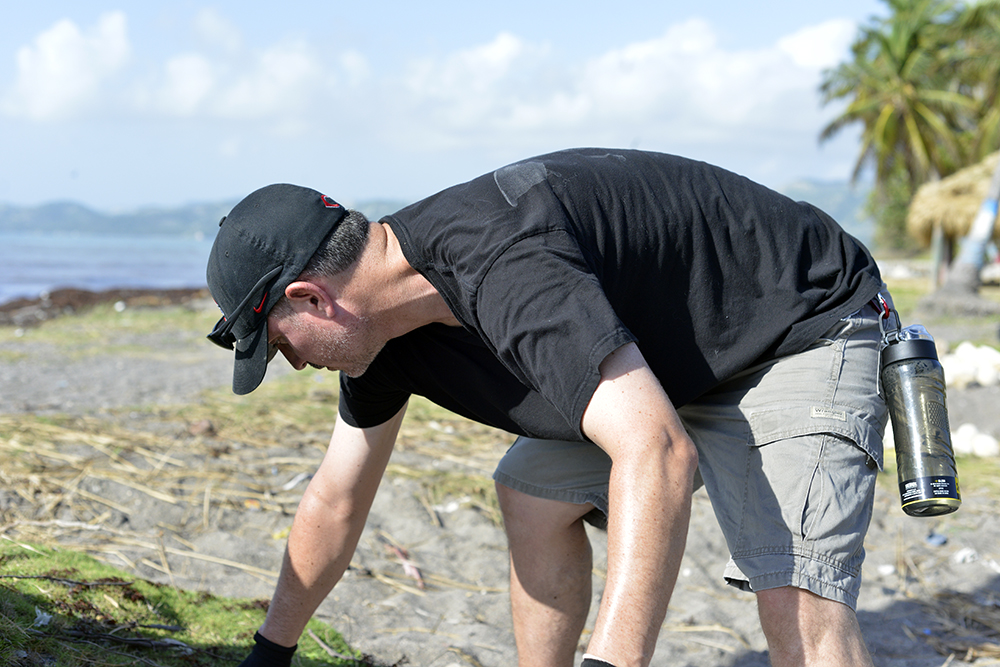
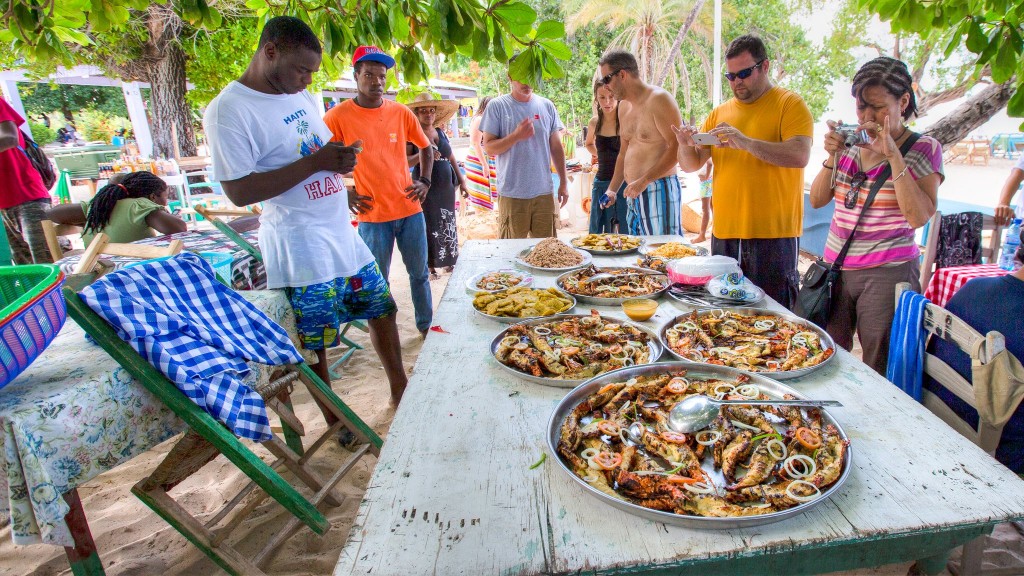
    Haiti isn’t the microwaveable meal that a trip to Puerto Vallarta can be. You aren’t going to get a guide book and rental car and just figure it out. It’s more like the first time you tried sushi– you’ll need some help understanding what everything is and what you like. It’s full of juxtaposition. You’ll meet people who live in a home with a dirt floor but don’t have a spot of dirt on their clothing. You’ll spend a day volunteering to clean up a beach full of garbage, rancid seaweed, and human waste— then go 20 minutes down the road to discover the most beautiful beach you’ve ever seen in your life.

    Haiti isn’t McDonald’s traveling. It’s harder than that. But there’s a richness to Haiti that you won’t find anywhere else. When you hang out with people who go back again and again you’ll discover that Haiti is kind of addictive. It reminds me of a local fisherman who started selling sea urchin ceviche at our farmers market a few years back. At first, he had to give it away because it was outside of our American palette. But when you tried it you discovered something. Sure, it’s a new flavor. But when you tried it you discovered a new delight.

    I want to challenge you to reconsider the “Haiti is a place to be avoided” narrative with a new one: “Haiti is beautiful.

    It’s time for you to see for yourself

    If you follow this blog you already know I’ve got a deep love for Haiti and what God is doing in Haiti through His church. I want to invite you to consider going on your own or even taking a team of students or adults. I’ve invested tons of time and resources in vetting the ministry of Praying Pelican Missions and their work in Haiti. I know them, their leadership, and their philosophy well… which is why I recommend them.

    If you want to know more about their work please fill out the form below. Also, feel free to drop me an email or leave a comment here. (My next open trip will be in April 2016. Join me!)

    [gravityform id=”10″ title=”false” description=”false” ajax=”true”]

  • The Remarriage of Physical to Spiritual Renewal

    The Remarriage of Physical to Spiritual Renewal

    One of the great sins of Western short-term ministries is bringing our bad habits and presenting them somewhere else as healthy.

    In the United States, the local church has largely recast itself as a place of spiritual renewal. The message of Jesus Christ in our cities and towns largely remains in the 6 inches between our ears. We preach about renewing our hearts, our minds, our relationships, our marriages, and investing in the spiritual lives of our children.

    Yet we’ve largely abandoned our larger, more holistic mission whereby Jesus renews all things, bringing “Good News to the Neighborhood”. (John 1) Instead we allow and depend on the State or the individual to meet our physical needs to the point where we’ve forgotten that the churches greatest movements of growth in the early church were because we became known as the people who looked after the sick, the poor, the widows, and orphans. It wasn’t bold preaching that took the Gospel to the ends of the earth in less than 75 years, it was meeting the physical needs of others.

    The North American church is seen as successful if a lot of people show up, they have a big staff, and a big building.

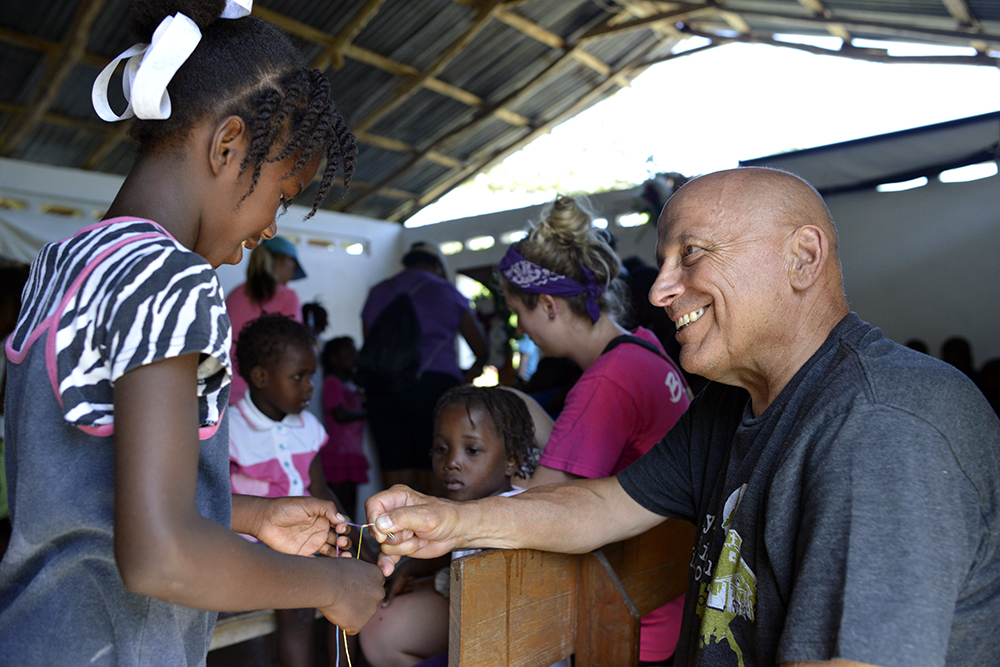
    Allan helping a young lady make a bracelet
    But that’s like saying the Cleveland Cavaliers had a great season. Sure, they won a lot of playoff games… but they came up short of winning the championship… just like our churches come up short today.

    We’ve divorced our ministries from meeting physical needs to the point that when we go on short-term mission trips we place meeting spiritual needs above physical needs.

    And just like in a divorce, both parties eventually carry on. Things might be different but they’re never the same.

    What Marriage Looks Like

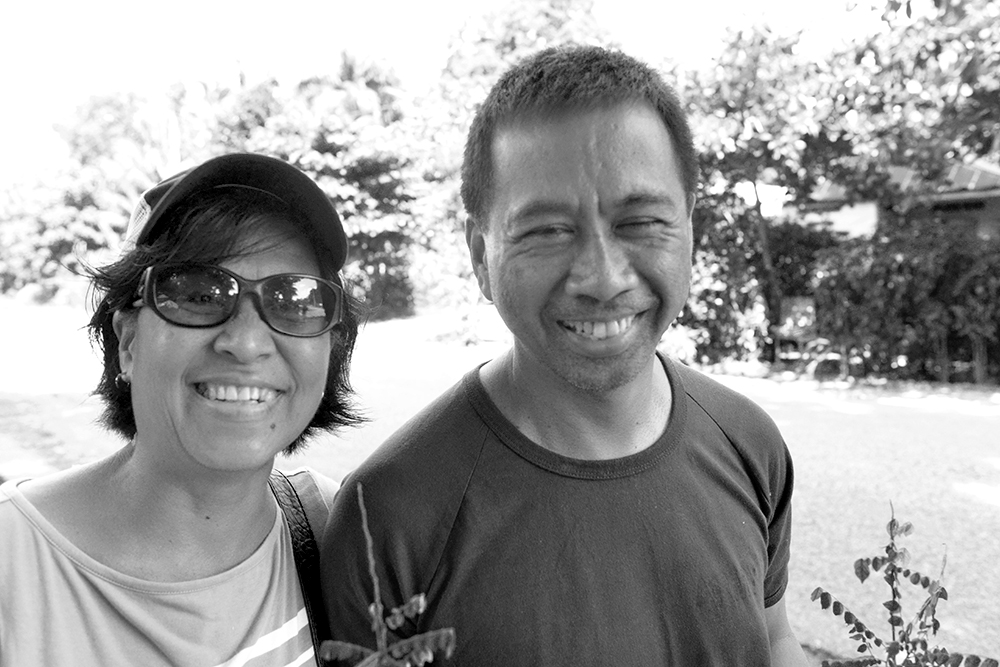
    Pastor Mario and his wife Amelda are experiencing their first trip in Haiti. I have a feeling they will be back.
    One of the great reminders and great teachings of visiting Haiti is seeing a church who is still married to the full work of Christ.

    The other night Jean Delcy told us about his ministry here in the Les Cayes area. After a successful career in a camp ministry and some other things, he moved about 20 minutes west of the city to a rural village of a few hundred people along the sea to create a beautiful place for Haitian families to come.

    American’s come to EdenHaiti and are instantly drawn to the sea. When I arrived there was a magnetic pull, I had to see it. You can hear the waves crashing as soon as you open the car door and our ears are finely tuned to connect to the sea.

    PPM staffer Caroline hanging out with the little girls during our construction project
    What Jean Delcy learned when he got here was that the needs of the people were great… and since he was seen as a person of means… the people of the village started coming to him for help. Sometimes it was a small request, like a ride to town, or other times it was a bigger request like a 2 AM hospital run with a mother in labor only to have her deliver a baby in his backseat.

    But these are his neighbors and he knows he can’t just ignore their needs. As he lived here longer he recognized more of their more basic needs. Such as,

    • Though the local fisherman can catch a lot of shrimp– enough to support their families, when they catch a lot they are at the mercy of the local buyer’s prices since they can’t freeze their catch. And since the buyer knows they can’t store the catch he pays a terrible price. There’s an urgent need and a huge opportunity for the community to freeze and store their catch so they can sell at a better market price.
    • Jean Delcy has started a school for the children, but the community is largely unable to afford proper education for all the kids, which puts them at greater risks for other issues. There’s simply more need there than he can currently reach.
    • Family planning is a major problem. It’s not unusual for a young woman to have her first baby at 14 years old. The average woman in the community has 6 children in her lifetime. In this case, he can see the problem and knows it’s impact on his community but lacks the resources needed to help in a big way.
    • While there is access to clean water in the community, there is virtually no sanitation for human waste. He has built 3 latrines, which is a start, but there is need for at least 27 more to meet the basic needs of the community to keep human waste out of the water, beaches, and oceans.
    • The communities greatest asset for fishing revenue and even the possibility of long-term investment by way of tourism or a related industry (condos, etc) is the beach and coastal access. They don’t have a pier for larger boats and currently the community is using the beach as their town dump and community bathroom.
    • Lastly, Haitian culture looks down on this community because it’s next to the sea. Haitian traditionally “turn their back to the sea” and use it as their dump. The villagers are mocked by others because they smell like the sea. Pastor is helping his community members see that what their culture sees as a liability is an asset to the rest of the world… Westerners LOVE the sea, coastal access, etc.

    Steve Miller helps with beach renewal
    And then, about 18 months ago, the local community saw the need for a church. After trying unsuccessfully to convince a Les Cayes pastor to take on this community as a satellite or church plant (of sorts) the community recognized the obvious: Jean Delcy was already their pastor. He was caring for their physical needs and influencing the community for good to the point where it was obvious that he could also be their spiritual leader.

    It’s Time for a Remarriage

    A pastor is just a fancy church word for a shepherd. This illustration of the sheep and the shepherd is the most often used descriptor of the role of the church leader in the Bible. (If we want to divorce something, we ought to divorce ourselves from the idea that a pastor is a profession speaker or CEO… there’s simply no way to twist the New Testament enough to get to that mindset, though many are so deeply intwined in it they’ll defend their role to the death.)

    And in our churches, beyond a shadow of a doubt, our pastors love their “sheep.” They care for their families, they teach the word of God, they create and foster programs to reach more people spiritually and a whole lot more. Sure, there are bad pastors out there. But the vast majority are amazing people trying their very best.

    But… but… BUT… we can’t forget that a shepherd does more than love the sheep… he looks after their needs.

    This is one thing that’s missing. Most of our churches don’t really look after the full needs of our flock, we care far more about spiritual neediness than we do physical neediness. Church leaders aren’t trained to even access a communities needs or the physical needs of people in their church because they have a false assumption that there are other entities already doing that.

    The Best of Short-Term Missions

    Let’s be frank. Over and over again I hear short term-mission maligned because it’s seen as some form of tourism. And I stand in full-acknowledgement that there are bad short-term mission trips out there. But you simply cannot toss out the baby with the bathwater in this instance because we have more to learn than to give.

    Yes, we have stuff to give. But we, as a tribe of leaders, must get out of our own ethnocentricity to learn from the success of Jesus’ church elsewhere.

    Learn More

    This week I’m in Les Cayes, Haiti sharing stories from a mission trip. Want to learn more about Praying Pelican Missions’ work in Haiti or explore bringing a group? Fill out the form below.

    [gravityform id=”10″ title=”false” description=”true” ajax=”true”]