
 I’m a part of a team at my church trying to figure out how to create a holistic youth ministry right here in San Diego. What exactly is a holistic youth ministry? Well, we don’t know just yet! But our vision is to architect a ministry that is good news to the urban working poor students in our neightborhood. We know that in our neighborhood we can just talk about good news, we have to bring good news to them. So our ministry will be teaching the Bible, aggressively sharing our faith, providing academic support, family services, and based on what we’ve heard from the first 3 weeks of our ministry… some sort of justice seeking mission. (Helping to right wrongs caused by oppressive situations, manipulative landlords, harsh government officials, and other fun things like that!)
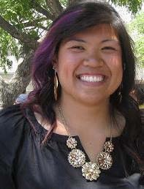
Obviously, I’ve got a full time job already. (As do the other 3 people volunteering) And getting something like this off the ground is a Herculian task. That’s why I’m stoked that our church has brought on Kathy Pham to lead this project that is crazy enough to change the world. She came here first as a summer mission intern– but we begged her to stay and transform those relationships with high school students into our launch of a youth minsitry.
This idea was born just 6-7 weeks ago. We started with a handful of kids, no building, , no team, no concrete plan, and of course no money. So here we are: We’ve got a plan, a team, a building, a growing number of kids… and now we need some people to get behind Kathy so we can fulfill the fullness of what holistic youth ministry in San Diego can look like.
Two ways to support:
1. Support Kathy. Pure and simple. She’s the practitioner. We need someone out, on the ground, making this thing happen. She needs to raise $40,000 per year. And quick. [download id=”4″]
Kathy has set up some times where you can meet her and here her presentation: October 18th: Vietnamese/English Presentation in Santa Ana, 6pm October 24th: English Presentation in Anaheim Hills, 6pmNovember 8th: English Presentation in City Heights, 6pm Any Day: English Presentation at wherever you would like to meet, any time:)
2. Let us pick your brain. We’re looking to learn from others doing urban, holistic ministry. If you’re doing it… let me know. Our team is commited to learning from others.
 We’ve had a lot of visitors lately and I’ve gotten this question a couple of times… “I’ve been to a lot of churches, why does this one feel different?“ This was a reminder to me of just how different we do church at