Over the last 4-5 years I’ve slowly been processing the abusive work relationships I had working in the Christian world. There’s no need to point to or call out one as it’s been a patten consistent for the entire time I was in from 2001 to 2022.
Maybe it’s a pattern you’ll recognize in your own life, too? I dunno. But here goes.
Outward Signs
I knew things had become untenable and I couldn’t continue. It’s taken me some years to see that it was more than the outward things that led me out.
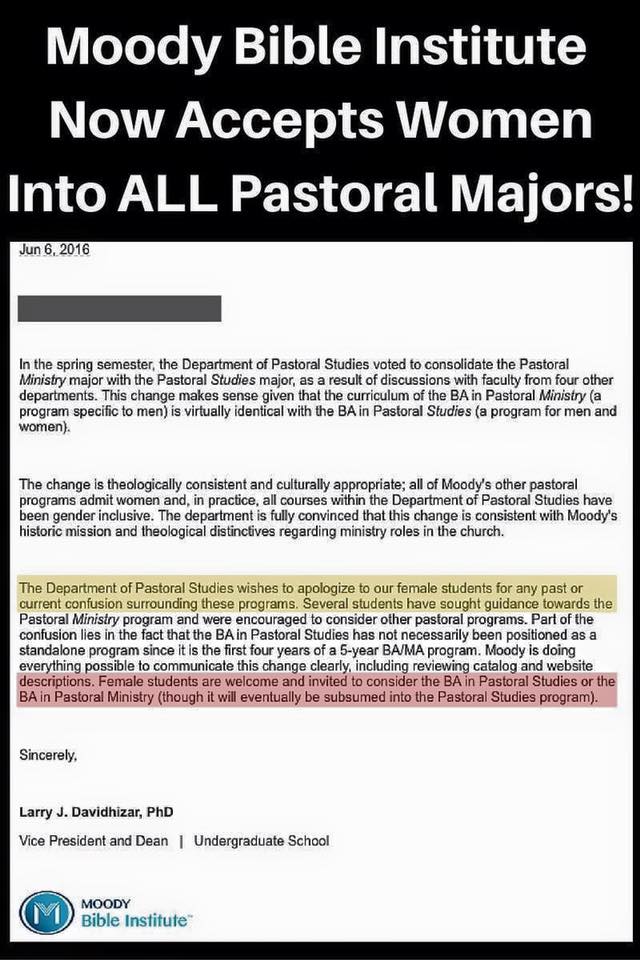
On the surface I felt at the the rise of Trumpism, hatred towards outsiders, exploitation of the poor for personal profit, the persistent two-faced approach to the gay community, hatred of women as a whole, the death cult fetish with Israel– those things made it so I had to leave.
That hasn’t always been there. But it started in the early 2000s and has gotten progressively worse.
Those were outward things. I last attended a church service without getting paid around Easter 2017– I couldn’t take hearing one more “sermon” about the pastors surf buddies, scripture twisting, while ignoring the rising hatred of immigrants in our midst. It was too much.
Dude spent a long time telling us where “regulars” had to park for Easter and I looked at Kristen and said, “That won’t be a problem. One less car for them to worry about. I’m not coming back.”
I quickly learned I wasn’t the only “leader” who only went to church when there was a paycheck. In fact, I’d say that’s true of just about every “leader” I know. They are there when there’s a paycheck otherwise they don’t bother. They maintain a relationship with a home church that’s convenient to them but that’s usually to maintain a credential or something like that. Most of my friends working in churches will readily admit that they wouldn’t go to their church if they weren’t on staff.
The truth is that the evangelical church as I knew it– as most of us in our prime years right now knew and gave our lives to– died in the mid-2000s. It’s just not the same and I don’t think it’s worth being around.
Many of my friends feel trapped. They want out but they can’t find jobs where they’ll be treated as well or paid as well. So they stick around.
That’s the outward stuff.
Looking Inward
Let’s talk about the inward stuff. These are things that I’ve realized while listening to audio book after audio book about farming or truths I’ve learned from hours of hearing pop songs in my headphones while pulling weeds.
As time has gone on I can more clearly see the inward things were abusive and untenable, as well. Things that gnawed on me and made me realize I was part of something that wasn’t true to myself.
I realized that many of the people I was consulting with and working with cared about my ideas, my ability to make money, my ability to build a community around an idea– but they didn’t care about me at all.
Not one bit.
That was proven when we lost Lilly and very, very few people I’ve worked with reached out. I called them and mourned with them when their dogs died but I lost a child and not even a card or text.
To them, I was nothing more than a means to an end. I didn’t feel that way about our relationship but they did.
In my roles I was expected to deep dive into their personal lives.
Go to their homes, get to know their kids, remember their wedding anniversary, help them deal with everything in their personal lives, plan vacations, give them meaningful gifts, timely compliments and encouragement, on and on.
My roles were never just about the work. It was always “doing life with” as well.
But it was deeply one-sided.
When I was “for them” (read: making them money and notoriety) they were all about Adam McLane. They couldn’t get enough of me. And I liked that reputation as the “get shit done” guy with so many orgs.
But as soon as I shared things that I cared about or if I asked them to get to know my family, even remember my wife’s name, maybe drop by and share a meal– when I dared to prioritize living out my own faith in my community by getting involved– I was suddenly a liability.
I spent decades in this cycle where when I was “for them” everything was great but if I tried to ask others to be “for me, too” I was out.
That’s not what friendship, partnership, leadership, or doing life with someone is meant to be.
When we lived in San Diego it would always shock me that people would come to town for vacation and not say anything to me. I’d fly to their ugly ass shithole town in the middle of winter, hang out with their family, meet them for a beer at their favorite spot. But when they came to my town? Nah, nothing.
It’s taken me a long time to admit to myself that those people were never actually “for me”. They were never on my team, cared about me, anything… I was just a tool to them as they tried to build their empire exploiting the faith of others for personal gain.
So, a few years back when I knew it was time to call it quits, I made an important distinction for going forward.
I decided that my life, my values, my ideas, my potential, my kids, my wife, my heart— these things needed to be conditional.
I’m fine working with or consulting with someone in a dispassionate way. That’s fine, let’s just keep it professional. I don’t want to know about your kids and I’m not going to talk about mine.
My Path Forward
When I think about the culture and business we’re creating now I’m aware that I will readily give of myself if it’s reciprocated but if it isn’t?
Then you’re not for me. There are 6 billion people on our planet and not all of them have to be my friend.
I hope this work I’ve been doing on myself changes my work/life relationships going forward. I don’t know that it will as old habits are hard to break. But I do think that by owning the reality that I put myself in an abusive pattern is part of breaking that pattern.
As I think about the business we’re building right now and the people that are coming alongside of us to do it… I’m really conscious, maybe overly so, that I want to be genuine, that I want to truly share in both the heartaches and victories of it.
I used to believe that bad shit happened to me for a greater purpose. I believed, and even wrote about on my blog, that it somehow made me better. I used to resonate deeply with the story of Joseph and his brothers in Genesis.
But I don’t want to identify with that anymore because that’s not the relationship I want to have with people. I reject the version of a god told in the Joseph story, that he puts bad things in your way just to get your attention or help you find meaning through the chaos he created for you. That’s not love, that’s abuse. [Don’t even get me started on the paternal failure of the Prodigal Son story.]
I don’t want to believe that all the bad things a person does to me is somehow for the greater good… I just don’t want bad things to happen to me in the first place!