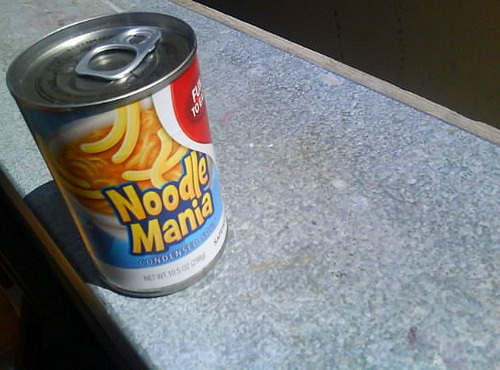
Tag: food

  • The high cost of tomatoes

    1. The Unsavory Story Of Industrially-Grown Tomatoes – Clip from Science Friday, August 26th 2011     

    Source: Science Friday – August 26th 2011
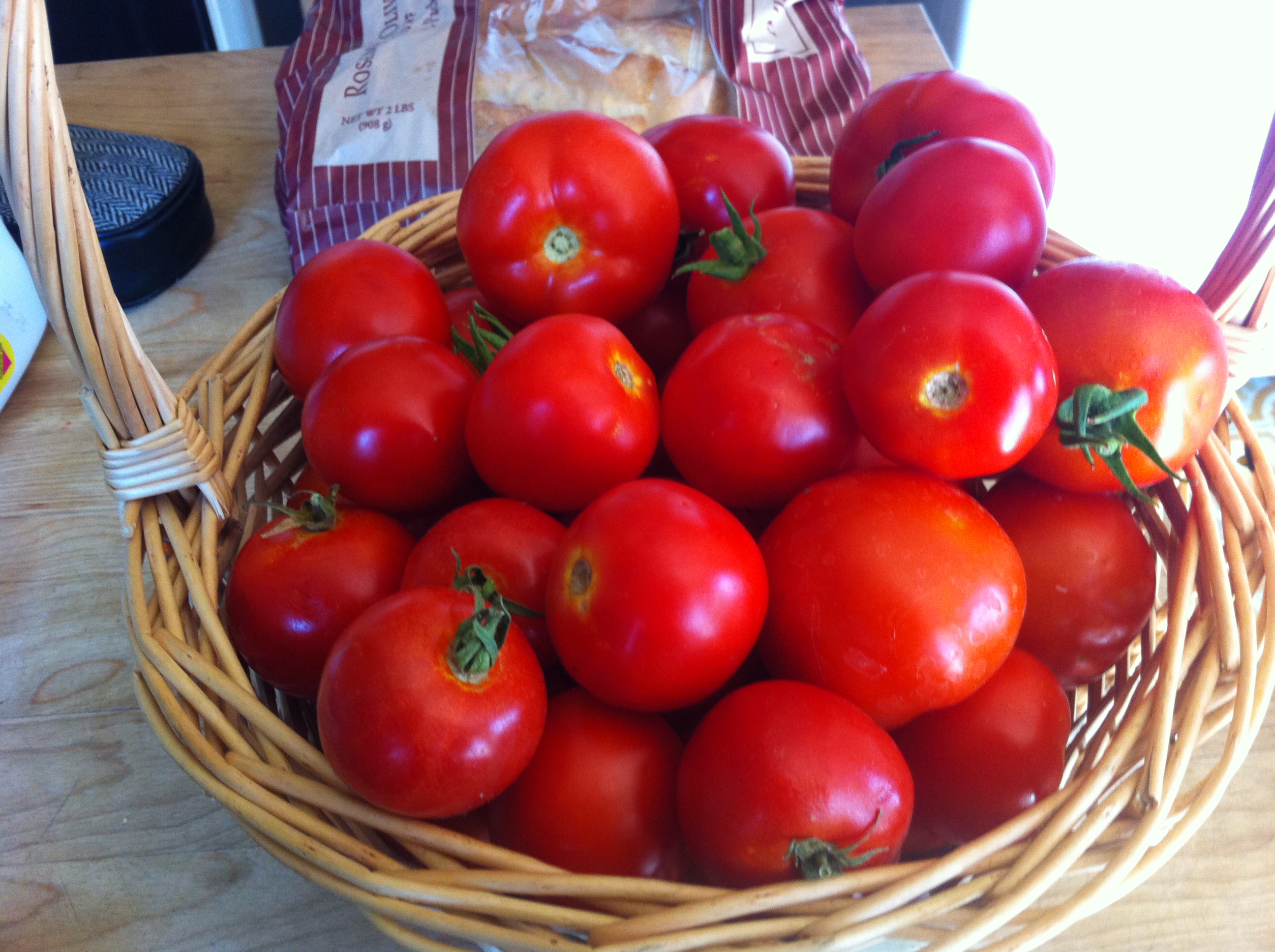
    I love tomatoes. They are a seasonal treat I grow in my garden. At the peak of the growing season we were getting 50+ per week from our garden.

    Key word: Seasonal.

    Americans have no concept of seasonal food. We want what we want 12 months per year in complete denial of natural growth cycles. In other words, if you want a tomato on your salad to start your annual New Years diet, you just go to the grocery store and get it.

    Here’s the thing: Tomatoes don’t grow naturally that time of year. There are places in the world where tomatoes grow well during a season. But in the middle of the winter your typical beaf steak tomato doesn’t grow anywhere in North America. At least not naturally.

    So why can I buy them year-round? 

    Supply and demand has a dark side. As the audio from the August 26th version of Science Friday documents, those low taste, high cost winter tomatoes you buy at the supermarket come at a very high cost.

    • About 120 chemicals are needed to make those tomatoes grow in Florida.
    • 8x’s the pesticides are needed for Florida winter tomatoes that aren’t needed for ones grown in California.
    • Many are hand picked and cultivated by modern-day slaves…. in Florida. (More than 1200 cases of such have been documented in recent years.)
    • They are picked when they are completely unripe and bright green. Then they are gased to turn them bright red, even though they aren’t ripe.
    • The reason your store bought tomatoes have no flavor is that they aren’t raised in soil, they are raised in sand. (No natural nutrients, sorry)

    What’s the point?

    If you knew that you were buying something produced by modern-day slavery in your own country, would you still buy it if it were a good deal?

    My advice? Next time you sit down to eat something or make a meal ask yourself… where did this food come from? What were the farmers who produced it paid? And was this food made under conditions that honor God?

    You might not want to know. But the reality is that there is an entire industry out there who doesn’t want you to think about where your food comes from, they just want to get rich off of your ignorance.


  • How to Lose 8 Pounds in One Week!

    Photo by Erin Desautels

    Go to Haiti and serve people.

    No seriously. I lost 8 pounds in 6 days in Haiti!

    What the what?

    I can attribute the weight loss to a few factors.

    1. Activity: We walked everywhere. I was constantly playing soccer with the kids. Even though we all took a siesta from 12:30-2:30 every day to avoid the heat… we were all exhausted at the end of each day. Just imagine how much I would have lost if we’d done a construction project?
    2. Heat: There was no escaping the heat in Haiti. Air conditioning is not a luxury many Haitians enjoy and our team was no exception. Each day was 100+ F and the humidity hovered between 80%-99%. I lived on water and Gatorade. (Drank on average 320 oz. of liquid per day, went pee about one time per day…. you just sweat that fast.) When we did visitation or even just walked around the neighborhood, my clothing would be soaked to the core within minutes. Thank goodness for shirts that wick away the moisture. Those with cotton t-shirts looked miserable.
    3. Food: We didn’t starve. In fact, I think we ate very good. Mornings we had oatmeal. (Not what you want to eat when its so hot, but it was all about calorie loading.) Lunch was PB&J and Pringles. And dinner was provided by a Haitian cook. That always had a rice element, a non-lettuce salad element, and either chicken or goat. In fact, the food was delicious.

    Wrestle with this

    Kristen and I both felt physically great during our time in Haiti. We were tired by the end of the day and we were constantly thinking about hydration. But overall, we were 100% fine. No gastro distress. No travelers stomach. No cramps. No upturned noses at disgusting food.

    But since we’ve been home. Neither of us have felt good.

    The reality is that we ate better quality food in Haiti than we buy from stores and restaurants here. I’m thankful we are in the middle of our harvest season so that we can feed our family fresh, organically grown foods. (90% of our produce is now from organic sources like our CSA and our own garden) If anything, this last trip has proven to me that the GMO grains and sugars that have taken over the American food supply are making us all, collectively, sick.

    Two points of thought:

    1. I don’t think I’m done leading trips to Haiti. While the work is shifting from relief to rebuilding, its a slow culture and re-culturing the nation will take time and outside encouragement. The reality is that I feel strangely awake and alive there– it’s beyond explanation.
    2. I am once again re-examining how/what my family eats. I think it may be time to try a food experiment. It might be time to eliminate high fructose corn syrup, GMO grains, and non-organic trickle down products like dairy.
  • Bring a Can to Church Day

    Photo by CarbonNYC via Flickr (Creative Commons)

    I want to encourage you to do a little civil disobedience within your church congregation.

    Start bringing and leaving a canned food item to your church every time you go. Have every person in your family do it, too. Don’t make a spectacle of it. Just leave your cans in the foyer on the floor or on the counter in the bathroom. Sunday morning worship? Leave a can. Mom goes back later for a meeting? Leave a can. Your son goes for youth group? Leave a can.

    Don’t ask permission. Just do it. The Bible tells you it is OK.

    Eventually, someone on the church staff is going to say… “What’s up with all of these cans? And what do we do with them?

    I’ll tell you what they will do. Someone will put the cans in a box. And it’ll just sit there.

    Imagine if 20% of your congregation got in the habit of doing this? Instant food pantry. It’s not a program. It’s dealing with a problem. Who keeps leaving all of these cans here!

    See, I think you’ll join me in the understanding that a house of God should also be a place of refuge for the hungry. As we linger in this recession I can guarantee you there are hungry among every single congregation.

    And my experience in working in churches for nearly a decade– every single one of them had random people who drop by every single day looking for food or money. And in nearly 10 years I can think of only a couple of times we had food on hand to give them.

    Almost every time people come to the church looking for help and are turned away. This isn’t exactly Good News in the neighborhood, is it?

    I believe God has hard-wired us in the knowledge that if we need help or need a place to run to, the church is there.

    Sadly most congregations in America have gotten lazy. They think an annual clothing drive or food donation to a local pantry is the right answer.

    Ding-dong.” Every day the bell rings at the church. People come to them who are hungry. Don’t you want your church to be a place that gives them food? Wouldn’t you want your music pastor to overhear the secretary start to explain to someone that the church doesn’t keep food at the church but makes an annual donation to the food pantry in town… and says, “Wait a minute. The janitor found these cans. You can have them.

    Bam! Instant food program. The church didn’t spend a dollar. They didn’t have a meeting to discuss it. They didn’t hire a staff member to start it. It’s just a box (or closet) full of cans people mysteriously left at church.

    Bring a can to church. Every time. Every person.

    Problem solved.

  • Krispy Cream Eggs and Cheeseburger?

    I felt a little dirty watching this. This wasn’t the least bit appealing to me. In fact, I am now convinced that these women had just finished smoking a bowl before saying “action.”