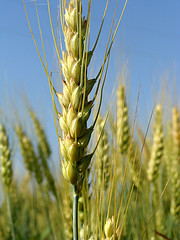
On a Sabbath, while he was going through the grain fields, his disciples plucked and ate some heads of grain, rubbing them in their hands. But some of the Pharisees said, “Why are you doing what is not lawful to do on the Sabbath?” And Jesus answered them, “Have you not read what David did when he was hungry, he and those who were with him: how he entered the house of God and took and ate the bread of the Presence, which is not lawful for any but the priests to eat, and also gave it to those with him?” And he said to them, “The Son of Man is lord of the Sabbath.” Luke 6:1-5
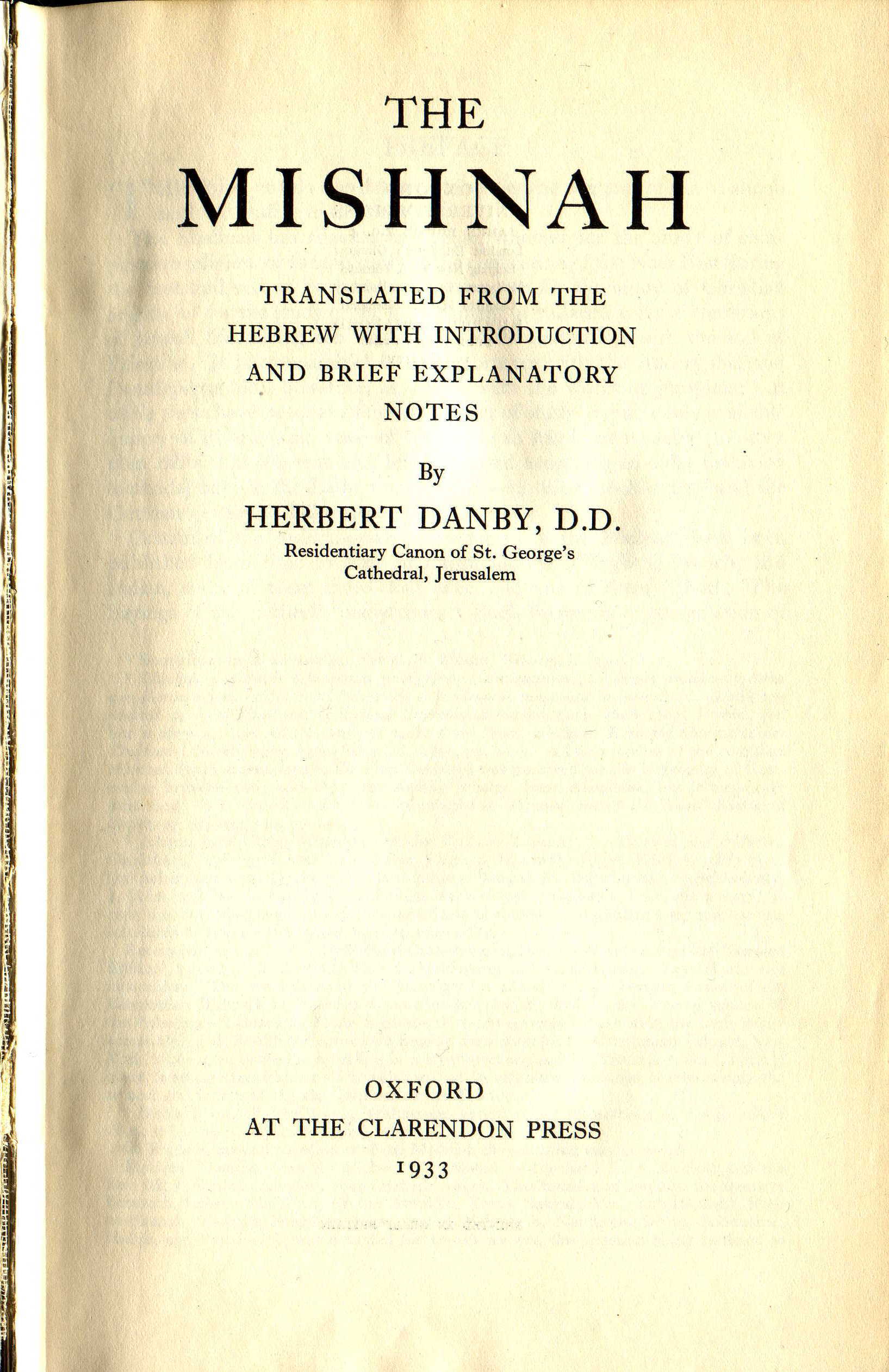
Mishnah
This is one of those passages that I’ve glossed over for years. But recently, I’ve been drawn to its intricacies which unlocked the bigger picture.
First and foremost, the complaint never made sense to me until I started reading Mishnah. Various rabbis passed down various interpretations and instructions on Sabbath regulations. While the written Old Testament gave general directions for obeying the Law, mishnah was the oral tradition that defined the boundaries. And depending on your rabbi and who trained them, the oral tradition told you how many steps you could take on the Sabbath and not be “work.” Or how to cook in a way that wasn’t work for the cook or work for the animals who provided sustenance. As referred to in the passage, there were disagreements about pulling an Ox out of a hole to save its life. Was it OK to do that on the Sabbath or should we wait? Was it OK to save a life on the Sabbath? Or was it OK to just save its life but not try to help it once you’ve gotten it out of the hole? Various rabbis had various opinions that were passed down through the mishnah.
While all agreed that the Law required that farmers left a few rows of grain unharvested along the road for the poor/traveling to glean, there was disagreement as to whether it was lawful for the poor/travelers to glean on the Sabbath. So when Jesus replies back to the Pharisee referring to Old Testament passages, the Pharisees are really trying to figure out which oral tradition gave him permission to glean on the Sabbath.
He frustrates them by offering a remixed version. He didn’t respond from the perspective of a certain rabbi. Nor did he respond by quoting the Law of Moses. Instead, he asked a question that reframed the inquiry altogether.
Even if you obey the Sabbath— who is the Lord of the Sabbath? And ultimately– who feeds you from his gleanings, the farmer or the Father?
Physical food
Who feeds me physically? Our food chain is so messed up that I don’t think we can even comprehend this question. In my fridge right now are fruits/veggies grown on a farm about 30 miles from me. But there is also milk which came from another farm in California. And that cheese? It came from yet another farm in California. Juice? Well, some of the fruit came from Australia (I think) and the rest came from a chemical plant in Ohio.
The sad reality is that we are so far removed from our sources of food that this passage is completely foreign to us. We don’t have a clue where our food comes from! Our best guess is that we kind of know the grocery companies that we purchased food from. And we certainly don’t go and glean from farmers fields when we are out of cash or on the road. They’d shoot us!
Ultimately, God provides the food. As messed up and distorted as our food chain is, God is the ultimate source of food. While I don’t think He is the author of high-fructose-corn-syrup, grain filler, and the other GMO crap most of our food is laced with, He is the ultimate provider of both the food that we eat and the money we use to buy it. It all comes from Him.
Emotional food
If we zoom out the lens just a little bit we can ask a deeper question. Are you free to eat emotionally on the Sabbath? Are you slowing down enough to listen? Not just to the preacher or the Sunday school teacher or to other people in your small group. But are you slowing down enough on the Sabbath to hear the voice of the Holy Spirit in your life? Is He feeding you words of instruction, comfort, and rebuke? Or are you drowning the Spirit out by turning the volume up too loud with the human voices in your life?
Are you slowing down enough on the Sabbath to listen to your own voice? Are you taking time to process the stuff that is happening? Are you taking time to rest your body? Are you taking time to rest your mind by doing recreational stuff?
That’s emotional food. The passage evokes a visual of Jesus and his disciples walking along the road, probably quietly as they observe the Sabbath, and the group of them spreading out and gleaning the grain. Each of them plucking heads of grain and grinding away the chaff between their fingers or with their palm before popping the uncooked grain into their mouth. This isn’t tossing a bag of popcorn in the microwave! This took time. And it was likely full of introspection and listening.
Who feeds you during quiet times of self-reflection? Who speaks to you and gives you emotional food to prepare for the week ahead?
Spiritual food
Finally, we zoom the lens on this passage out as far as it goes. With our wide angle lens Jesus asks the question, “Ultimately, who is the Lord of the Sabbath? Who is in charge of the Harvest?”
Jesus is our ultimate source of nutrition. He is the Provider. He gives us life. He made the sun which warms the soil and provides the energy for photosynthesis.
Spiritually, Jesus is the source of life on the Sabbath. Rather than leaning on the interpretations of man alone… modern day mishnah… Jesus is eternal, alive today, and active among His people bringing nutrition to the poor and sojourners among us willing to glean along the roadside.
Clearly and obviously, Jesus wants us to gather with fellow believers to corporately worship Him on the Sabbath. But he doesn’t want us to get lost in the granular act of going to church for spiritual food. That’s a supermarket approach when Jesus gave us the example of finding food where we are on the Sabbath. He reminds us again and again, “I am the Lord of the Sabbath. It belongs to me. It’s ultimately about me. You want to rest, it’s found in me. You want to eat, I am the bread of life.”