Illumination is the ultimate alarm clock of the Christian life. I’ve found that it’s the great joy of studying the Bible in small groups.
When things feel sleepy in my walk with Jesus, it’s illumination and action that are always the cure.


Illumination is the ultimate alarm clock of the Christian life. I’ve found that it’s the great joy of studying the Bible in small groups.
When things feel sleepy in my walk with Jesus, it’s illumination and action that are always the cure.

Bruce’s Facebook post really got to me because I’ve experienced the same thing. People have directly or indirectly told us we’re not doing a good job as parents. And it hurts.
Admittedly, I sit in a weird seat.
I’m former church staff so I totally get the realities of what it’s like to lead a congregation. But my vantage point is now from the pews, volunteering where I can and cheerleading the best I can. All-too-often I can see things that I wish people working for churches could see and understand. But, as one megachurch pastor puts it, “Sometimes you’re so busy working in the church you can’t work on the church.”
So here’s a little something I’ve been noticing lately that I think really hurts churches strategically: Term confusion.
Here’s two examples.

So far, 2016 has been a survival year. Broken bones, Zika, break-ins, bullet holes, school drama, the works! And with all the external chaos it feels like 2016 is coming in for a hard landing. So, friends, I’m asking… what are you thankful for in 2016?
Inspire me.

27% of victims, which translates to 11% of all internet users, experienced trouble in a relationship or friendship because of something that was posted about them online.
This morning I read a newly released Data & Society study about the prevalence of online harassment in America. The lead researcher is Amanda Leinhart, formerly of Pew Internet. (Press release, Full report)

It’s been a week since the internet lost it’s mind with the outcome of the presidential election. I’ll readily admit that I’m still shocked about the outcome the same way I am when I see ads on TV for the online dating website FarmersOnly.com.
I mean really, this is a thing?
And I certainly understood and felt the lament last week. Tears were shed in McLandia. But I’m also done with seeing the online lamentations.
Instead, it’s time to move from lament to action.
I want to know what people whining on Twitter are doing in their communities to contribute. Get involved, your slactivism is showing.
— Adam McLane (@mclanea) November 16, 2016
Seriously… if you aren’t actually go to do anything in your community. Shut up.
Anything. Something. Just not nothing. Tweeting, signing online petitions, passive-aggressively posting memes to Facebook… classic slactivism.
Earn the right to be heard by doing something. Like physically doing something.
Embrace your civic responsibility. It’s not just for old people, you know?
“But what? Literally, I don’t know where to start.” OK, I get it. Here’s an incomplete list of things you can do in your local community starting immediately that will actually make a difference.
Don’t try to do them all. But do pick 1-2.
Consider this a starter list. I don’t know what the needs are in your community might be. But I do know your communities #1 need: You.
Church doesn’t fulfill 100% of your local civic responsibility. I think a lot of people, and a ton of people in my life, think that if they are really involved at church– or if they work at a church— that’s somehow all they need to do. Sure, there’s things you can do at/through church that meet some of this. But don’t confuse a relatively closed circle of like-minded people at a local church as everything you can and should be doing in the community.
I might even encourage you to consider becoming Good News in Your Neighborhood at the expense of being good news at your local church.
I wish this were isolated.
I really wish it were.
On Wednesday, an incident occurred on campus a mile from my house that’s being investigated as a hate crime against a Muslim woman:
At approximately 2:28 p.m. today, a San Diego State student was the victim of a strong arm robbery in Parking Lot #12. Comments made to the student indicate she was targeted because of her Muslim faith, including her wearing of a traditional garment and hijab. SDSU Police are investigating this robbery as a hate crime.
Again, I wish this were isolated. But things have popped up this week. And with every report things get more tense.
If you weren’t already uncomfortable enough let’s go ahead and get totally uncomfortable. As the parent of three children from the dominant culture in our society I am asking you, What is our responsibility as parents to talk to them about in regards to race? Because the reality is this… parents of minority cultures have to talk to their children about this from in details I’m not even aware of because these aren’t issues I face.
For example: (Watch this… please. Watch.)
It’s not just African-American families. If you watch the video above you’ll see other videos about raising kids of other ethnicities and races.
I can tell you this, as a white man my parents never had that conversation with me. Quite honestly, my parents had the opposite conversation because my parents knew the local police. “If you get pulled over tell them who your parents are.” Does it get any more privileged than that?
And, if I’m 100% honest, nothing has changed. Literally. Nothing. This is what privilege looks like. I can [and have several times in 2016] called the police because I know they are on my side. Even though I don’t live in Northern Indiana anymore I know several of the cops on the beat in my San Diego neighborhood by name and they know me.
As uncomfortable as I am in saying it I benefit from racial privilege every single day in ways that I’m both aware of and not aware of. My kids do, too.
So what’s my responsibility as a parent? It’s talking to your kids about race and privilege… acknowledging that it’s unfair… and helping them see how they can help level the playing field.
In 2008, when we moved to San Diego, Kristen and I made the choice to move to Mid-City San Diego. When you move to a new area your friends will tell you where the white people live. Sure, they won’t say it like that, but they’ll say “the best school are in _____.” Or “Don’t move to ____ because there’s a lot of problems. Look for a house in _____ where it’s nice and quiet.” We all know those are codes for where the white people live, right?
Little did they know that we weren’t looking for racially homogenous, we were looking for diversity. One of the greatest assets I have as an adult is growing up in diverse schools filled with kids whose parents worked at Notre Dame. Not many kids growing up in Northern Indiana grew up going to school with kids from all over the world, but I did. As a missionary kid growing up in Indonesia, so did Kristen.
And we wanted to pass that along to our kids. So we picked Mid-City San Diego.
Our kids have grown up as minorities in the classroom. You could argue it was an exercise in privilege. Sure, they didn’t have to be there. Sure, we had choices. But nonetheless this was the reality we wanted them to grow up with. As our country’s landscape changes we wanted them to walk intuitively through it.
But here’s the confession: Even with all that desire from mom and dad, I never talked to my children about how to talk about race. Or, at least, I didn’t talk about it clearly enough or sternly enough.
And it came back to bite us in the butt. One of our kids got in trouble for using a racial description (not an inflammatory one) of a person in their class.
And while it wasn’t “our fault” in that mom/dad didn’t say it. We do own some of the responsibility because we’d not been explicit enough about the nuances of language and how to talk to/about people respectfully.
Now, please understand we’re not perfect parents who are pretending to have it all together. (Re-read the previous section!) Please understand we live in a context where our kids are often extreme minorities but still members of our society’s dominant culture. I’m not an expert on talking about these issues. Literally, I’m just a dad trying to figure it out and raise responsible, respectful kids.
We live in a community full of immigrants, legal and illegal. We live in a community full of refugees. Just 52% of my communities adults were eligible to vote on Tuesday. The park 500 feet from our house is a virtual United Nations on weekends as people and cultures from all over the world come to have parties, fiestas, play soccer, football, basketball, and Sunday morning cricket.
So here’s what we’re telling our kids for our context:
I hope you hear me on this.
I’m not saying that what I’ve shared above is what you need to tell your kids tonight at dinner. What I am saying is that you and I, if we want to prevent the stuff I mentioned at the top, need to own our responsibility in it. As we’ve learned in our own home… if you don’t talk about it… your kids might not be part of the solution, they might actually be part of the problem. There’s nothing quite as embarrassing as trying to explain to a school administration that you didn’t talk about it.
When I see what happened at the middle school in Michigan or the parking lot of San Diego State I hope we all agree that there is a parental responsibility there which each of us owns part of. If we don’t teach our kids what is and isn’t OK, that could be our kid.
I know it’s uncomfortable. I know it requires some self-reflection. But it’s worth it. You need to do it. Please have this conversation with your children.
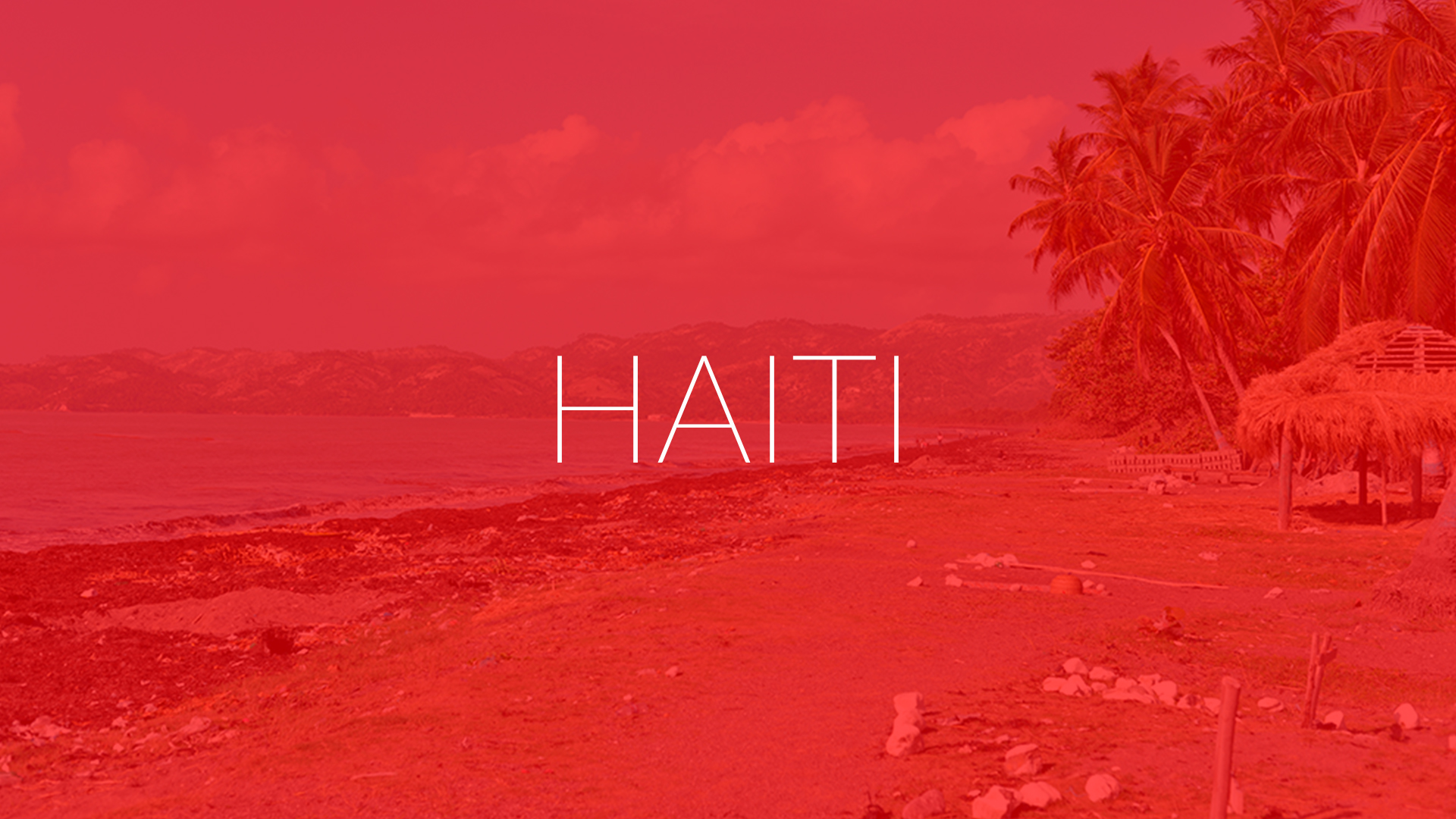
I’ve been going to Haiti a few times per year since 2010. With each trip my convictions are re-enforced:
I’ll cut right to the chase.
Next summer I’m headed back to the south western part of Haiti, the Les Cayes area, to expand on some of the ministry partnerships I’ve been part of the past several years.
As you may or may not know… that part of Southern Haiti was most effected by Hurricane Matthew and more recently horrible flooding. The small village I worked in 2 summers ago was completely devastated. Literally, anything not built out of concrete block was destroyed and even a lot of the stuff built from concrete was severely damaged. (A very small percentage of homes are built using concrete, so most of the homes were completely demolished)
So, as you might imagine I’m anxious to get back there, to continue what’s already been started but also help however I can.
This trip next summer will be working with families directly impacted by these natural disasters on behalf of the local church, simultaneously serving the needs of the community and building up the local church.
And I’d love to have you join me! My July 22-28 trip is currently half full. I’m looking for a total of 40 more people. My trip is operated by our long-time missions partner, Praying Pelican Missions. Your team will have it’s own trip, but each evening all of the various teams will come together to share stories, worship, and celebrate what God’s doing through our groups.
The cost is $695/per person not including air fare. That’ll cover food, transportation, housing, and ministry stuff.
If you want to learn more or register your group here’s the link.
If you’ve got questions about the trip that you want to talk to me about, drop me a line!
Since… forever… I’ve been helping youth workers understand and better use social media for their ministry. Seriously, since the AOL chat room days.
And for the past several years my “go to” seminar at training events has been called “Teenagers + the Small Screen” where I help you get a framework of understanding why teenagers are so into their phones and specifically social media as well as current trends, stats, etc.
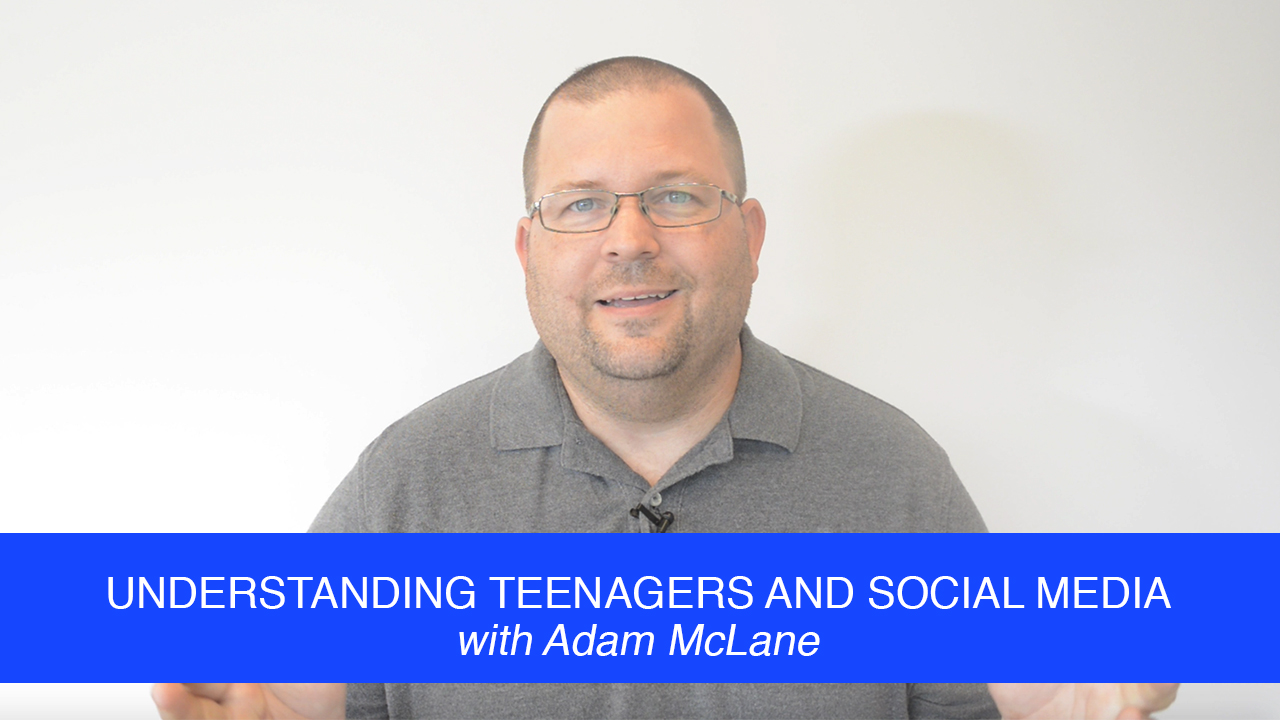
This month we took that seminar and reshaped it as a brand new Cartel Course, Understanding Teenagers and Social Media.
It’s got 5 video sessions of content where you’ll get to see and hear from me as well as 5 follow-ups which are going to help you cement and continue some of that learning.
We’ve been doing Courses now for 2 months and I have to say… my favorite part of it is that I get to interact with folks taking courses. When you take a course, I’m with you every step of the way. And that’s super fun for me!
If you want to learn more about my course, Understanding Teenagers and Social Media, click here. (It’s “on sale” for $30 until 10/31/2016)

Sometimes life gives you glimpses of cultural progress.
I got one of them yesterday. In a Facebook group I’m part of a youth worker posted this question:
Any suggestions on how to handle homosexual or bisexual relationships in the group. We have a new attendee that I want to be careful with teaching in love but not ignoring what God says about it.
Now, the question itself is contemporary– I’m not knocking the question, stick with me.
Lots of churches, particularly churches in less populated parts of the country, are just now engaging with the question for the first time.
The answer I gave in that thread, “How do you treat other relationships? Same diff.” is not considered a controversial one. It’s not a liberal, progressive, or even conservative answer– It’s just a common answer.
But that same answer? It was very controversial just a few years ago. When I gave a very similar answer in the Love is an Orientation DVD in 2011 it was pretty edgy. I actually had to get clearance from the non-profit I was working at to say it. There were meetings, lots of meetings, hand-wringing, fretting, vetting, and questions about if my private position should be “our” public position before they finally said it was fine for me to appear in the training videos, much less offer that advice.
This is what progress looks like on a micro level. 6 or 7 years ago the majority of church youth groups would have either not have ever experienced that question or would have an answer born out of textbooks instead of their own practical, street, theology. But today? Even relatively conservative evangelical churches in small towns would agree with the advice I gave.
This morning, as I was thinking about this question I had a little bit of a flashback to questions I got interviewing at churches 15 years ago… questions that seem so completely foreign that we forget how fast culture progresses.
In both cases these weren’t mainstream questions. But these were serious questions in interviews. Both the asking of the question and how I answered were significant matters for whether a church wanted to hire me. More importantly, I had to decide if I wanted to work in congregations where questions were still normative enough that they’d come up in a job interview with a youth pastor.
One thing is certain: Culture will continue to change and labels will continue to shift, too. Things which seem crazy to talk about today will one day be mainstream and in only 15 years will be so commonplace that we’ll assume you live in the sticks if your thoughts haven’t kept up. In fifteen years we won’t wonder about what to do with two girls holding hands in the back of the church van because… today’s 15 year olds will be the youth workers, they’ll know intuitively to treat everyone’s sexuality is treated the same, because that’s what they grew up with. It’s as native to them as their mobile phone is today, the question will feel as offensive to their sense of justice as the casual racism I was asked about.
The question for us is simply about posture. Are we ready to stay focused on our ministry regardless of changes in culture? Or are we going to hold onto “the culture we grew up with” to the detriment of the main focus of our ministry?