After an insane run of speaking engagements in 2014 I backed off for Winter and Spring 2015 so I could concentrate on family and my responsibilities with the Cartel… both growing really fast! It was too much, too fast, and I needed a break.
In other words, I said no to a lot.
With that in mind I want to post publicly that I’m ready to take on a healthy amount of bookings for the upcoming school year. (5-6 in the Fall; 5-6 in the Winter.)
Here’s what I can offer:
A parent seminar on healthy social media habits (Perfect for parents of 4th-9th graders, based )
A youth leader training seminar (Called “Teenagers + The Small Screen“)
A school assembly, lecture, classroom talk and discussion (Customized to meet the needs of your school. I’ve done this in public, private, parochial
and Christian schools)
Youth group or retreat talks for middle & high school students. (Most often about social media, but I’m open to other topics.)
Sunday morning preaching/teaching.
I’m pretty flexible and will work to meet your needs. Some folks bring me in just to do a single talk while others bring me out and book me back-to-back for 3 days straight.
New Material
All of the talks above are constantly morphing and adapting to current trends, data, and movement. So if you read the book, A Parents Guide to Understanding Social Media, and you think that is what I’ve got, material-wise, understand that the book was based on material I was talking about at the time of writing but it’s continually refined.
Along the same vein, I’ve been working on a brand new talk for youth groups and Sunday mornings that I think is really powerful. It starts with the facts-based approach I take on social media and takes a very interesting turn into a biblical narrative, with a strong personal application.
Let’s Do This
I try to keep these things affordable and I’m happy to work with you. Even though it’d be way easier I’ve been able to avoid using a booking agent, which benefits the folks bringing me in far more than it benefits me!
If you want to talk about a speaking opportunity please connect with me via my contact form. (If you have my contact info, feel free to connect that way!)
Cynicism takes root when you disengage, when you engage you reside in the fantasy.
Let me first be careful to define what I mean by “fantasy.”
Fantasy isn’t the same as fallacy. I mean fantasy in a more emotional sense. Like when you’re on vacation somewhere amazing you are in a fantasy that everyone is having as good of a time as you are. You are able to relax, you pour into your loved ones in a way you couldn’t with the normal daily pressures of life, you have no care or understanding about the day of the week, and you are under the assumption that everyone around you must be as relaxed and having the same good time you are. That’s the fantasy. But the reality is that for most people it’s just a Monday. There’s nothing special going on, at all. The lady cleaning your hotel room or serving your family dinner or the guy who drives your shuttle or the myriad of people behind the scenes making your trip great– it’s a work day for them.
You are the puppet and they are pulling the strings of your fantasy. You gleefully and willfully shut off your mind to even think about those moving parts. You are living the fantasy and it’s good.
A fallacy isn’t that at all. It’s when you know you can’t separate what you know is going on behind the scenes and you go through the motions anyway. It’s taking your family on a great vacation, watching them live the fantasy, but in the back of your mind you know you are running from your problems… your car is getting repossessed while you’re on vacation or you’ve just lost your job but haven’t told them because you want them to enjoy the trip or you’ve got cancer but haven’t told your family.
And so you fake it. You let those around you believe in the fantasy but for you it’s a tortuous fantasy, a lie.
Ministry is Complicated
Ministry life is complicated. We all know that. We know too much to enjoy the fantasy is quite the same way. We love our co-workers but we know their struggles, their weaknesses, and “what’s really going on” often takes precedence in our mind.
Yet, we guide people to live in the fantasy. We even use language to describe it. We want people to be “in” and many churches have even used gambling language to ask people to “go all in” for our ministry. Having been part of both being in a church where people lived in the fantasy and been at churches where we saw people step into that happy place, it’s a beautiful and good thing. Entering into the fantasy allows God to work in wondrous way… things which shouldn’t be possible are and most importantly lives are changed.
We ask people to embrace the fantasy that our church is “it” and the more they buy into the fantasy the more growth that can happen in their lives. (Just like on vacation, right? If you don’t buy into the fantasy you’ll never relax… and if you don’t relax you’ll never enjoy the experience. So you allow yourself to enter into it. It’s a willful thing, a social exchange.)
This isn’t bad. We all do it. You can read through Acts and see this played out in the first century church. People dove into the fantasy! I mean, families sold everything they had because it was so good!
But when it becomes a fallacy it is bad. Especially when it happens at church. When an inch below the surface lies conflict or staffing issues or hidden problems, the staff puts on a happy face and hopes people buy into the fantasy because they all know that it’s kind-of-a-fallacy. The children’s pastor has kids who hate them. The small groups pastor hasn’t been in a small group in 20 years. The youth pastor is a great manager but doesn’t really love teenagers, at all.
People convince themselves that they love their jobs or that their motives are pure. Yet quietly, behind the scenes, everyone can’t wait for the pastor to retire. Or they’ve experienced the wrath of anger brought down on them by the board when they ask question or dream about things outside of the scope of the fantasy. They mistakenly wondered out loud, “What would happen if our church embraced all kinds of people from all kinds of lifestyles?” And once they stepped out of bounds of the fantasy they’ve experienced something darker… like seeing Mickey Mouse smoking a joint on his break at Disneyland… they’ll never be the same.
In my ministry life I have a hard time embracing the fantasy because I know too many people who’ve have experienced the fallacy. Confessionally, I think half the time I’ve wondered if I was living in the fantasy or the fallacy myself. So when I go to church today I want to buy in but I struggle.
I find it easy to disengage, therefore I find it easy to step back enough where I’m no longer inside the fantasy but am comfortable observing those outside while also observing inside those behind the scenes.
On the one hand this is a valuable vantage point. One for which I’m thankful. I’m able to help those creating the fantasy see what is and isn’t working, what’s believable, what isn’t.
But, confessionally, sometimes it eats at me.
Just like at the end of the Wizard of Oz you’re left to wonder… would it have been better to not know? Or are you better knowing?
For me, engaging in the fantasy is a choice. I chose it. I want it. I have decided that it’s not a fallacy. That my faith is real, that everything I know and have been taught is real.
But it’s a rational choice.
But sometimes? I just wish I could go back to not knowing.
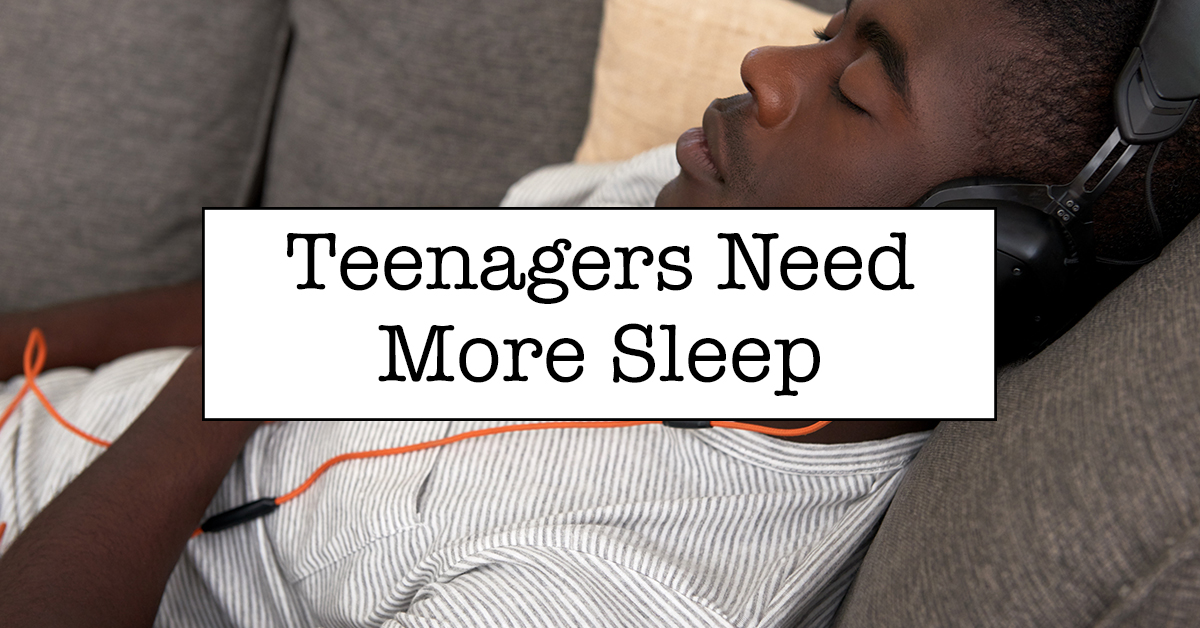
Adolescents who do not get enough sleep are more likely to be overweight; not engage in daily physical activity; suffer from depressive symptoms; engage in unhealthy risk behaviors such as drinking, smoking tobacco, and using illicit drugs; and perform poorly in school. However, insufficient sleep is common among high school students, with less than one third of U.S. high school students sleeping at least 8 hours on school nights.
The Centers for Disease Control (CDC) does not issue opinion papers. They issue health warnings based on fact.
Just 31% of high school students get the 8.5-9.5 hours of sleep per night recommended by the American Academy of Pediatrics. That means over 18 million students are at risk for behavior problems, poor academic performance, and suffering long-term health risks simply because they aren’t getting enough sleep.
What Needs to Change?
Encourage a culture of healthy sleep at home.
Encourage schools to push back the start time to later than 8:30 AM.
Encourage youth sports, extracurricular, and religious organizations to end activities by 9:00 PM on school nights.
Educate parents/teenagers that increased activity does not make students correlate to receiving acceptance at choice universities or obtain more scholarships.
Educate parents/teenagers to practice healthy habits in regard to mobile devices, leaving them silenced and out of the sleeping area.
Maybe you’ve heard about the drought in California? And maybe you’ve heard that weather experts are forecasting for an El Niño that should end the drought later this fall, perhaps the strongest El Niño in 50 years?
Both trends have to do with ocean water temperature. While I’m sure there’s also impact of climate change most believe that there are natural and ancient cycles of ocean current temperature change in the Pacific where our normally cold coastal water, which creates San Diego’s temperate climate year-round, turns warmer every so often bringing moisture and rain to Baja and California.
The water off the coast of California is significantly warmer than it should be, 5-10 degrees warmer than normal. One result of that is that this year’s inshore and offshore fishing is one for the ages. People are catching within a few miles of shore that are usually caught 100 miles offshore.
For anyone who fishes the Pacific this is a season for the ages. No one knows how long it might last but the thought that fishing off of California’s coast may not be this good again in our lifetime has everyone pushing to get on the water.
Innate Pursuit
Over the past few months I’ve been drawn into this more and more intensely.
I’ve continued to fish in local bays for bass and other species.
I’ve gone on several shorter, half-day type trips onto the ocean.
I’ve acquired all of the gear to take my kayak onto the open ocean, making my first trip last Friday morning.
I’ve gotten more heavy gear suitable for offshore fishing.
I have no idea what’s driving this.
It’s coming from somewhere deep inside of me that I can’t quite explain.
It’s innate. I can give you a lot of descriptions and justifications of why I’m into fishing right now, I could get Freudian and say it’s some connection to family, I could get mid-century pop psychology and say it’s about some midlife search for significance, I could get all Christianese and say it’s this or that.
I don’t really understand the drive. But that’s what it is, it’s powerful, and–frankly– I don’t feel bad about it one bit. I love it!
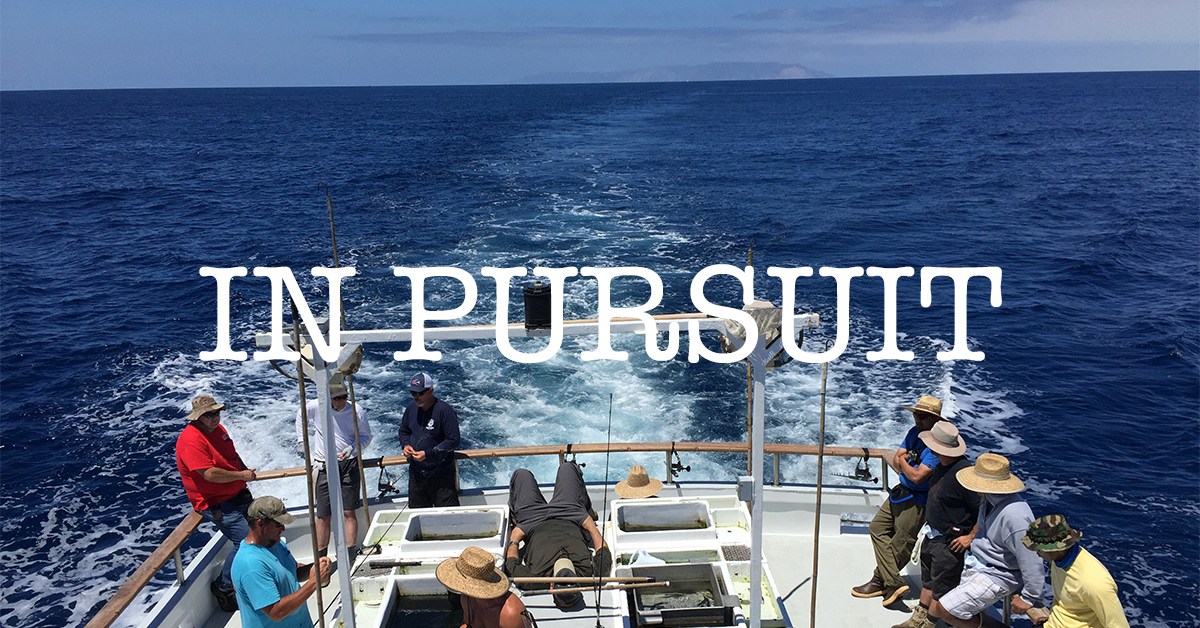
This past weekend, Paul and I took that pursuit to the next logical step by going on our first ever overnight fishing trip. We left San Diego at 10:00 PM on Saturday night, slept on board the Tribute for a few hours, and then spent all day Sunday fishing for bluefin tuna… a species that’s not normally seen in SoCal waters in the numbers and size that are being seen.
We woke up before dawn yesterday, did one last gear check, and then fished from first light until the boat was full at about 1:00 PM.
Paul was the first between us to catch a fish, landing his fish at about 8:30. You haven’t lived until you see you son reel in a 35 pound fish. (Half his body weight!) It’s a mano y mano battle. You are reeling hundreds of yards of line like mad and shuffling to stay in front of it while it’s trying to swim away. You tire the thing out to get it to finally come to the surface and submit to it’s fate. It was especially awesome that the entire crew and fellow fishermen cheered for him as his boat came on deck. “Yeah PAUL!” followed by fist bumps, chest pumping, pats on the back, and congratulations from every corner of the boat. I got to witness a moment of manhood in my boy’s that is one small step towards what’s to come in his life, and that was priceless.
Throughout the day Paul and I lost a combined three other big tuna while the rest of the boat continued catching. I started to think I might not catch one myself and go home with stories of the ones that got away.
But just as we were reaching the boats limit of 2 fish each, my reel started screaming, I clicked it into gear and it peeled away some line on the drag right away. Initially I thought I had a little guy as it allowed me to pull it near the boat quickly. But just as it was about 50 feet from the boat it went on a giant run, showing it’s strength. 30 minutes of fighting later the captain gaffed it and pulled it on board.
No Pursuit, No Health
As I laid in my bunk on the long ride back to San Diego I started to reflect on this fishing pursuit.
Why am I paddling my kayak out 3 miles from the shore in La Jolla? Why did Paul ask for this trip for his birthday? Why did landing those fish feel so good? Why is this boat full of men and women doing the same thing?
But that’s when it started to sink in.
We live in a society where things are upside down. Weber’s Protestant Work Ethic teaches us that virtue comes by unlimited hard work and frugality. So our culture tells us to feel guilty when we rest or do anything recreationally or maybe spend money unnecessarily.
But laying in that bunk thinking about the day, seeing the pride from my son– a little swagger, and the pure joy on display on this boat leads me to conclude this: I have no guilt in this pursuit. In fact, I’m not worried about people who have pursuits. I’m worried about people without pursuits.
People who convince themselves that their work is their sole passion scare me. I love what I do and am fortunate to have a career that reflects so much of who God has made me to be. But it’d be sad if that defined me wholly.
I am more than my work. (Which I love)
I am more than what people know me for. (Which is great)
I am more than a dad and husband. (Roles I cherish)
I am more than any label.
I am more.
I am made in the image of God, a God in pursuit of His children.
I am made to pursue. And when I do? It reflects His image in me.
To not pursue is to not reflect His image.
First cuts from the belly. Tossed these on the grill for 2 minutes, excellent!
Sashimi from the belly of bluefin tuna. Amazing!
What 100 pounds of tuna looks like in a giant cooler.
Filleting our catch – this fish is about 40 pounds
What’s a good fishing trip without new friends? Loved chatting it up with fellow fishermen.
We weren’t the only combos out there enjoying a good time, here’s an uncle and nephew spending some quality time
Megan has orientation in a couple weeks for high school.
Jackson starts pre-school at the same time.
And in a lot of the country people are already starting school, football practice, marching band, all of that.
Summer flew by leaving a contrail of good memories.
But I’m still holding onto summer…
In San Diego our warmest months are still ahead. The ocean water will continue to get warmer until late October.
I’ve not been to a football game yet so it’s still summer.
My fall travel stuff doesn’t start until mid-September.
We have countless evening dog walks, morning surf fishing sessions, and afternoons at the bay left before the weather turns. (As if it every really turns here…)
And we’ve done summer right!
We had a great family vacation.
We’ve played in the bay.
We’ve played a ton of board games.
We’ve shared dinner nearly every night around the table.
Kristen and I have been good about sneaking away for an evening walk in the neighborhood or along the waterfront more nights than not.
We’ve hiked and biked and kayaked and swam and seen a lot of sunsets.
Summer’s Last Stand
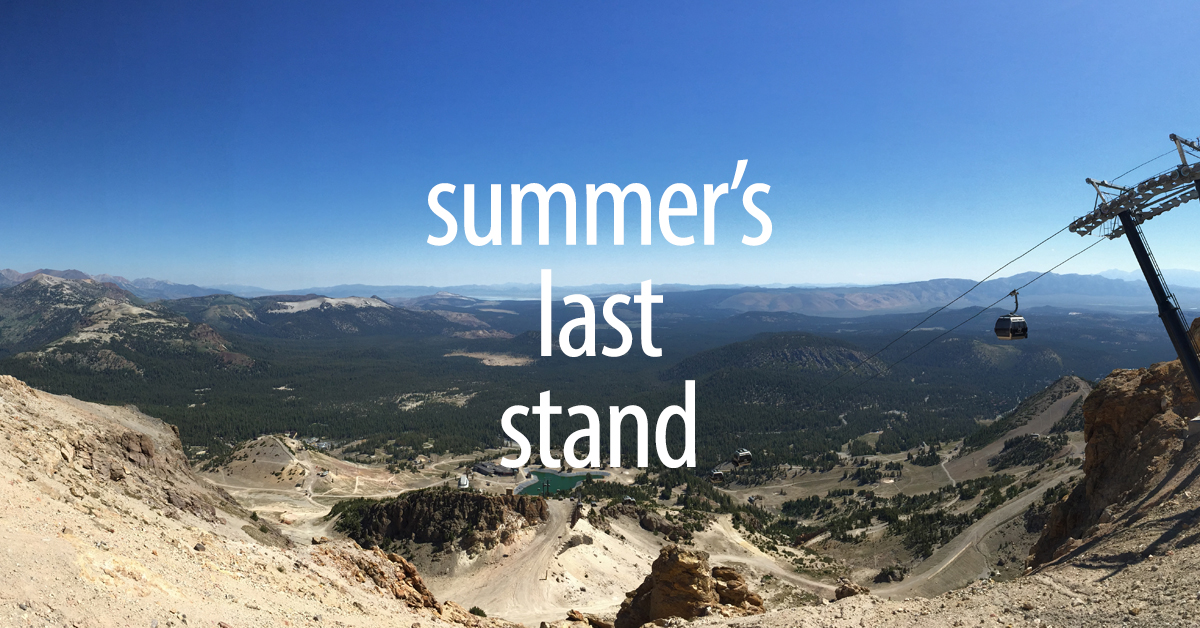
All this to say that before fall stuff cranks up I’ve got a lot of summer left to take in. Here’s what my next few days entails:
Thursday morning – Kayak fishing in La Jolla for calico and maybe get lucky on a yellowtail, home by noon.
Saturday – Sunday – Overnight offshore fishing trip with Paul, celebrating his birthday by hopefully catching our first tuna! Leave Saturday night and return home Sunday night.
Monday – Inshore fishing trip with a bunch of guys from church, hoping to get a group of teenagers on their first big fish.
All of those fishing dates schmooshed together accidentally– but I’m not complaining. It’s as if this summer has dug in, putting up it’s defenses against the onslaught of Fall and all the busyness that comes with it.
Summer will be defeated. It’s inevitable. But the last stand will be epic.
When was the last time you hung around children? Little ones remind you of something we, as adults, often forget: We’re made for invention.
My life is made brighter each day by the creativity of our 4-year old, Jackson.
Like every pre-schooler his life is 1/3 reality and 2/3 imagination.
Here’s an example of that from our family vacation in Yosemite:
While I am stuck in reality, staring awestruck at Yosemite Falls, El Capitan, Half Dome, and the Merced River, my 4 year old son has found a stick to defend his beach from the evil ducks attacking his position.
His adventure of imagination beats my awestruck wonder on a technicality, right?
I have a tendency to snap Jackson back from his pretend world with my mundane reality: “Jackson, why are you shooting ducks?” But when I physically get down on his level to enter his world, playing with Legos or building a sand castle, something truly amazing happens: My creative brain comes alive.
We were made for McLandia[or whatever you call your land of make believe] and, like Peter Banning in Hook adult life sometimes leaves us wrestling, wondering which life is worth living, reality or make believe?
Moira Banning: [after throwing Peter’s cell phone out the window] I’m sorry about your deal.
Peter Banning: You hated the deal.
Moira Banning: I hated the deal, but I’m sorry you feel so badly about it. Your children love you, they want to play with you. How long do you think that lasts? Soon Jack may not even want you to come to his games. We have a few special years with our children, when they’re the ones that want us around. After that you’re going to be running after them for a bit of attention. It’s so fast Peter. It’s a few years, and it’s over. And you are not being careful. And you are missing it.
Adults make the mistake that to become successful, to be an adult, we need to give up on Neverland. But, in reality, it’s only when we are in touch with Neverland that we find success.
More Than Play
This is about more than child’s play. This is about invention. All of us are capable of invention. But, as the old proverb implies, when we live in a world without necessity, we forget what we’re capable of invention.
One of the reasons companies like Google fail again and again with things like Wave and Plus is that there is zero necessity. Google will be just fine without Plus. And all of those people who worked on it? No biggie… they’ll find other places within the organization or jobs somewhere else. Google only wanted to take on Facebook to try to capture some of their marketshare and maybe see an increase in their stock price. I’m sure people within the organization thought it was necessary. But there’s a big difference between hitting a sales goal and survival.
This is why you so rarely see success come out of a think tank or R&D department within a big company… there’s no necessity for invention.
This is also why you see existing companies buying inventions… they know they can’t invent a new success… for them it’s better to grow by acquisition than to try (and fail) to grow by invention.
Here’s my formula for creative success:
Creative success = Hunger + Boredom + Desperation
Most teams aren’t hungry. If this fails they might not meet a goal or might not get a bonus, but their family is going to eat next week.
Most adults aren’t bored. You can’t schedule a meeting for invention. You need space. You need time. You need to get past the first couple of naps and tired of reading to get to a place where you are in touch with McLandia.
Most adults aren’t desperate. Whether the need is great or like in Hook, the stakes are huge as Peter needs to get his children back… if you aren’t desperate you’ll never invent something great. Yes, you can fake desperation a bit, but it’s only when people are truly desperate that you often see the best in them.
Opportunity Abounds
This is what’s beautiful about life. Each of us has an ability for creative success.
The more you are hungry, the more you are bored, and the more you are desperate you are… that’s all an advantage over the established thing out there.
While the playing field is not equal when it comes to resources you actually have an advantage over everyone else if you simply want it bad enough.
I have read a few of your posts about Snapchat. Snapchat can be used badly, as you have said in your articles. Also your pictures can be (most likely are) stored on Snapchat servers for them to use. For me I use Snapchat with my friends, and have never received or used it in a harmful way. I guess I am just wondering what you think about using Snapchat (in a non-harmful way)?
Amber, the quick answer is– Yes, of course you can. I’d just ask you to consider a longer answer with some things to think about, as well.
Is Snapchat, Inc. trustworthy?
First off let’s all recognize a fact. Some of the things I wrote about Snapchat in August 2013 have changed. Snapchat, as a platform and company, have matured as a more responsible ecosystem for it’s users. [And for the sake of its investors who, no doubt, would like to see a return on their $1.8 billion in investment to date.]
These are all good things. Very, very good things which I applaud them for. These changes show that Snapchat is trying to make their app more safe to use like Twitter, Facebook, and Instagram and less prone to abuse like say… Tinder or Kik.
But let’s also recognize that none of these changes came from within. Evan and his team didn’t implement any of this for altruistic reasons to protect their users… the type of self-regulation that’s very common at companies like Apple, Google, Facebook, and Twitter.
Instead, all of these changes were forced on them as the result of an unprecedented settlement between Snapchat and the Federal Trade Commission. (FTC) The scope of the agreement is 20 years of active monitoring at Snapchat’s expense. Meaning, they have government regulators constantly monitoring what they are doing and they have to report back to the FTC every quarter on what they are doing to remain compliant with applicable privacy and security laws.
I’m not aware of a similar standing agreement among any other social media platform and I’ve been at this a long time. (Cough, since AOL 1.0 days)
So, I am less concerned about Snapchat today than I was 2 years ago. But I’m not giving them a lot of credit for a change of heart.
Many times you’ll hear people complain that the laws move slower than technology, this is how companies are able to get away with so much invasion of privacy– they exploit technology within legal loopholes. This simply wasn’t the case with Snapchat as they admitted in the settlement that they broke century old laws in making false claims to consumers.
What I see is a company that has often struggled to fully own their faults. When their app was hacked, they place the blame everywhere but their leadership, when it is… in fact… the sole responsibility of the company leadership to protect user data. When the app was being used by pedophiles to groom teenagers, they hid and made it nearly impossible to get usable data… that’s monstrous and nearly unforgivable. But perhaps this too is changing? I can’t really say because I only know the team externally. (Though I’d love to meet them in real life.) Evan, their frontman, CEO, and co-founder, seems to be doing a better job at owning mistakes and apologizing when necessary in this interview. In regards to the emails posted on my post, he half-owns it and apologizes… he says that it was inapppropriate and he’s sorry but he couches it by saying they were sent while he was in a fraternity— that’s not entirely true, those emails were sent when he was launching Snapchat, so while he might have still been in a fraternity, he was also creating a sexting app called Picaboo that since morphed and was rebranded to become Snapchat. So, that old habit is still there but I’m hopeful for his sake that he continues to mature as Snapchat’s frontman. Certainly, he’ll need to if he truly wants to see his company have an IPO before those investors force him to sell.
So, long story short? I think the jury is still out on whether Snapchat, Inc. is a trustworthy company.
Can I Use Snapchat Responsibly?
I really suppose that has to do with your definition of “responsibly.”
If you are using it for fun in a benign way, is that responsible? Probably for you individually. But again, I’d like to offer you a couple things to consider as you decide that for yourself.
The app’s design does a good convincing users that you’re sending something private and temporary, that you can control privacy, etc. And just like that benefits you and makes the app more fun, it can also be a weakness that another person can use against you when you are vulnerable. And I’ve talked to dozens and dozens of young women who have been solicited to do something with the app that they later regretted. The images may be ephemeral but the exploitation that can happen on the app lasts a lot longer. (And yes, for some reason, Snapchat is more commonly used for this than any other app I’m aware of.)
Understand that others are targeted and groomed for exploitation using the app. I know that sounds yucky, because it is. But the simple fact is that the nature of the app has a tendency to bring out a dark side in people. As a leader, I’d be aware that my usage of the app makes it OK for people who look up to me. So your responsible usage may be giving permission to someone to use the app that could result in them being harmed. (To be clear, I don’t mean people use the app to rape people. But I do know that many young women have been coerced/manipulated to send things via the app they regret. They’ve been exploited pure and simple.)
If I’m an adult using the app I would NEVER EVER send a snap to someone who is a minor that isn’t my child. Yes, Snapchat is the new cool way to market to teenagers. But that shouldn’t mean that teachers, coaches, youth workers, etc. should be sending magically disappearing images to minors. That’s a quick way to prison if you ask me.
So, to answer your question again: Yes, I think you can use Snapchat responsibly. While it was once an app I would deem as “Dangerous, to be avoided by teenagers” I’ve changed my recommendation to “Use with extra caution.” Personally, I still think Instagram or texting are better choices.
I hope this long, but hopefully informative answer, is helpful to you. I’d love to hear from readers about how they are using Snapchat responsibly or places in this post where they disagree with my thoughts. Leave me a comment or drop me a line.
Haiti is a dangerous, politically unstable, corrupt, and voodoo worshipping country. It’s the poorest nation in the Western Hemisphere, a virtual pit of foreign aid, and a place to be avoided.
That’s a pre-2010 narrative. That’s like saying you shouldn’t go to Tijuana because of gang violence. There’s truth in the claim but not context to validate that opinion.
There is a new narrative in Haiti that I want to ask you to consider: Haiti is beautiful.
Last week, I made my 8th trip to Haiti since 2010. And in those trips I’ve actually never seen the pre-2010 narrative validated with my experiences.
“Haiti is Dangerous”
On the local level I’ve never heard of a violent crime against a Western visitor. I’ve heard of a few petty crimes like pickpocketing or even getting yelled at about something. But I can’t think of an incident where I experienced being “in danger” anywhere in Haiti.
For a North American visitor, particularly accompanied by a Haitian, Haiti is no more dangerous than where you live in the United States. (It’s probably safer)
I would counter the “Haiti is dangerous” narrative with “Haitians are generous.” I can’t tell you how many times I’ve enjoyed the generosity of my Haitian friends… and even strangers. I have a terrible habit of setting things down and forgetting them. (Water bottles, backpacks, camera equipment, etc.) These things are always returned to me!
“Haiti is politically unstable”
Like other developing nations, Haiti has experienced military coups. Several times in its history the United States has sent troops or occupied parts of Haiti, really the U.S. has a weird history with Haiti. But it’s been 11 years since the last serious bout of instability.
Right now, the parliament in Haiti is dysfunctional but not unstable. Some elections didn’t happen on time, the majority of members of parliament had their terms expire, which left the parliament unable to operate properly for a period of time. But there are parliamentary elections coming very soon.
So unstable isn’t the right term– and definitely not dangerously so. I mean, have you seen the U.S. Congress lately? I’d say we’re equally dysfunctional.
Haiti is definitely different than the United States in the size and function of local government. Things we take for granted just don’t exist. But I wouldn’t label any of that as politically unstable, more like the local government is severely underdeveloped.
Rather than the “Haiti is political unstable” narrative I would challenge you to accept a new idea that “Haitians are hard working, industrious partners.” Yes, billions of dollars in foreign aid have been wasted at the government and agency level. But locally? A new breed of church-to-church partnership is strengthening the local church and meeting localized needs.
“Haiti is corrupt”
Pastor Jean Delcy – Photo by Sang Peiris
I’ve never seen evidence of this in my trips there as I’ve worked with church leaders.
Everyone in Haiti is aware that the vast majority of post-earthquake foreign aid never went to address the needs of the people. “Where is the money?” was a question asked by everyone. There have been protests and inquiries and all point to corruption. But, again, I would challenge you to look at the local level where you’ll see another story.
Instead of allowing the narrative of “Haiti is corrupt” I would encourage you to think about “Haitians encourage strong local leadership.” As we saw last week with Pastor Jean Delcy, a local leader has the ability to get things done with or without government aid by establishing healthy long-term relationships.
“Haiti is a voodoo worshipping country”
Yes, voodoo is an active religion in Haiti. Like other areas in the world it is somewhat syncretized with Catholicism. Whereas, in the United States most Protestants would have no problem lumping Catholics together to say we’re together “Christians” this isn’t normally the case in Haiti.
Since the 2010 earthquake Protestant Christianity has seen a dramatic increase in Haiti whereas voodoo has taken a hit. So you can replace the “Haiti is a voodoo nation” narrative with a more accurate “Haitians know Christianity brings good news.” One pastor said that the earthquake provided a wake-up call to the Haitian church. They didn’t have to be shy, they just had to serve people and that’d open doors for the Gospel to spread. I find this correlation between acts of service as evangelism refreshing!
“Haiti is the poorest nation in the Western Hemisphere”
OK, this remains true. If you are talking about economic development Haiti is absolutely the poorest nation in the Western Hemisphere.
As Americans we equate economic poverty to all kinds of poverty when that’s not the case. As if our “having it all” somehow addresses every deficiency.
A first time visitor is usually overcome by the visual signs of poverty. But as you get on the ground you realize something quite quickly– while Haiti is the poorest nation in the Western Hemisphere, there is something here which reveals great wealth among the Haitian people.
I would encourage you to replace the “poorest nation” narrative with “Haitians are proud to be the first independent nation made up of former slaves.” In Haiti, I don’t see poor people. I see a proud people.
“Haiti is a place to be avoided”
Photo by Sang Peiris
When you combine all of these narratives most people seem to put it all together in a nose crinkling way, “Haiti is just a place to be avoided.”
Americans like things to be pretty simple. Most of us want to travel to places that make sense to us, that fit within our existing framework of understanding. This is why people go on cruises to other countries instead of just traveling to those countries. They want the illusion of having been somewhere without… you know… actually leaving a cruise-line owned compound where everyone speaks English and their all-inclusive wristband is a form of currency.
Haiti isn’t the microwaveable meal that a trip to Puerto Vallarta can be. You aren’t going to get a guide book and rental car and just figure it out. It’s more like the first time you tried sushi– you’ll need some help understanding what everything is and what you like. It’s full of juxtaposition. You’ll meet people who live in a home with a dirt floor but don’t have a spot of dirt on their clothing. You’ll spend a day volunteering to clean up a beach full of garbage, rancid seaweed, and human waste— then go 20 minutes down the road to discover the most beautiful beach you’ve ever seen in your life.
Haiti isn’t McDonald’s traveling. It’s harder than that. But there’s a richness to Haiti that you won’t find anywhere else. When you hang out with people who go back again and again you’ll discover that Haiti is kind of addictive. It reminds me of a local fisherman who started selling sea urchin ceviche at our farmers market a few years back. At first, he had to give it away because it was outside of our American palette. But when you tried it you discovered something. Sure, it’s a new flavor. But when you tried it you discovered a new delight.
I want to challenge you to reconsider the “Haiti is a place to be avoided” narrative with a new one: “Haiti is beautiful.”
It’s time for you to see for yourself
If you follow this blog you already know I’ve got a deep love for Haiti and what God is doing in Haiti through His church. I want to invite you to consider going on your own or even taking a team of students or adults. I’ve invested tons of time and resources in vetting the ministry of Praying Pelican Missions and their work in Haiti. I know them, their leadership, and their philosophy well… which is why I recommend them.
If you want to know more about their work please fill out the form below. Also, feel free to drop me an email or leave a comment here. (My next open trip will be in April 2016. Join me!)
One of the great sins of Western short-term ministries is bringing our bad habits and presenting them somewhere else as healthy.
In the United States, the local church has largely recast itself as a place of spiritual renewal. The message of Jesus Christ in our cities and towns largely remains in the 6 inches between our ears. We preach about renewing our hearts, our minds, our relationships, our marriages, and investing in the spiritual lives of our children.
Yet we’ve largely abandoned our larger, more holistic mission whereby Jesus renews all things, bringing “Good News to the Neighborhood”. (John 1) Instead we allow and depend on the State or the individual to meet our physical needs to the point where we’ve forgotten that the churches greatest movements of growth in the early church were because we became known as the people who looked after the sick, the poor, the widows, and orphans. It wasn’t bold preaching that took the Gospel to the ends of the earth in less than 75 years, it was meeting the physical needs of others.
The North American church is seen as successful if a lot of people show up, they have a big staff, and a big building.
Allan helping a young lady make a braceletBut that’s like saying the Cleveland Cavaliers had a great season. Sure, they won a lot of playoff games… but they came up short of winning the championship… just like our churches come up short today.
We’ve divorced our ministries from meeting physical needs to the point that when we go on short-term mission trips we place meeting spiritual needs above physical needs.
And just like in a divorce, both parties eventually carry on. Things might be different but they’re never the same.
What Marriage Looks Like
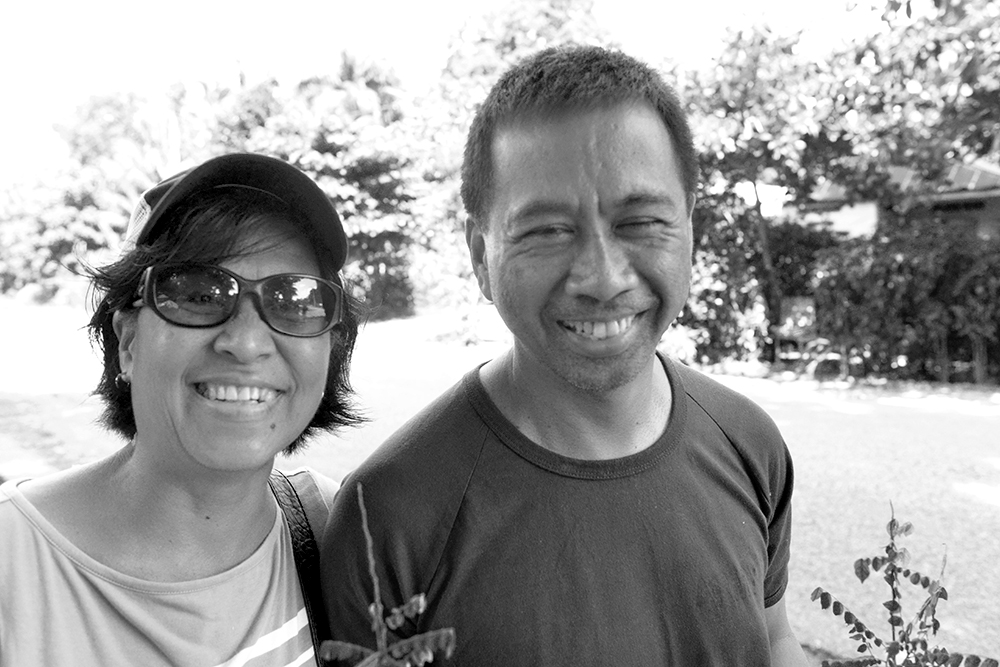
Pastor Mario and his wife Amelda are experiencing their first trip in Haiti. I have a feeling they will be back.One of the great reminders and great teachings of visiting Haiti is seeing a church who is still married to the full work of Christ.
The other night Jean Delcy told us about his ministry here in the Les Cayes area. After a successful career in a camp ministry and some other things, he moved about 20 minutes west of the city to a rural village of a few hundred people along the sea to create a beautiful place for Haitian families to come.
American’s come to EdenHaiti and are instantly drawn to the sea. When I arrived there was a magnetic pull, I had to see it. You can hear the waves crashing as soon as you open the car door and our ears are finely tuned to connect to the sea.
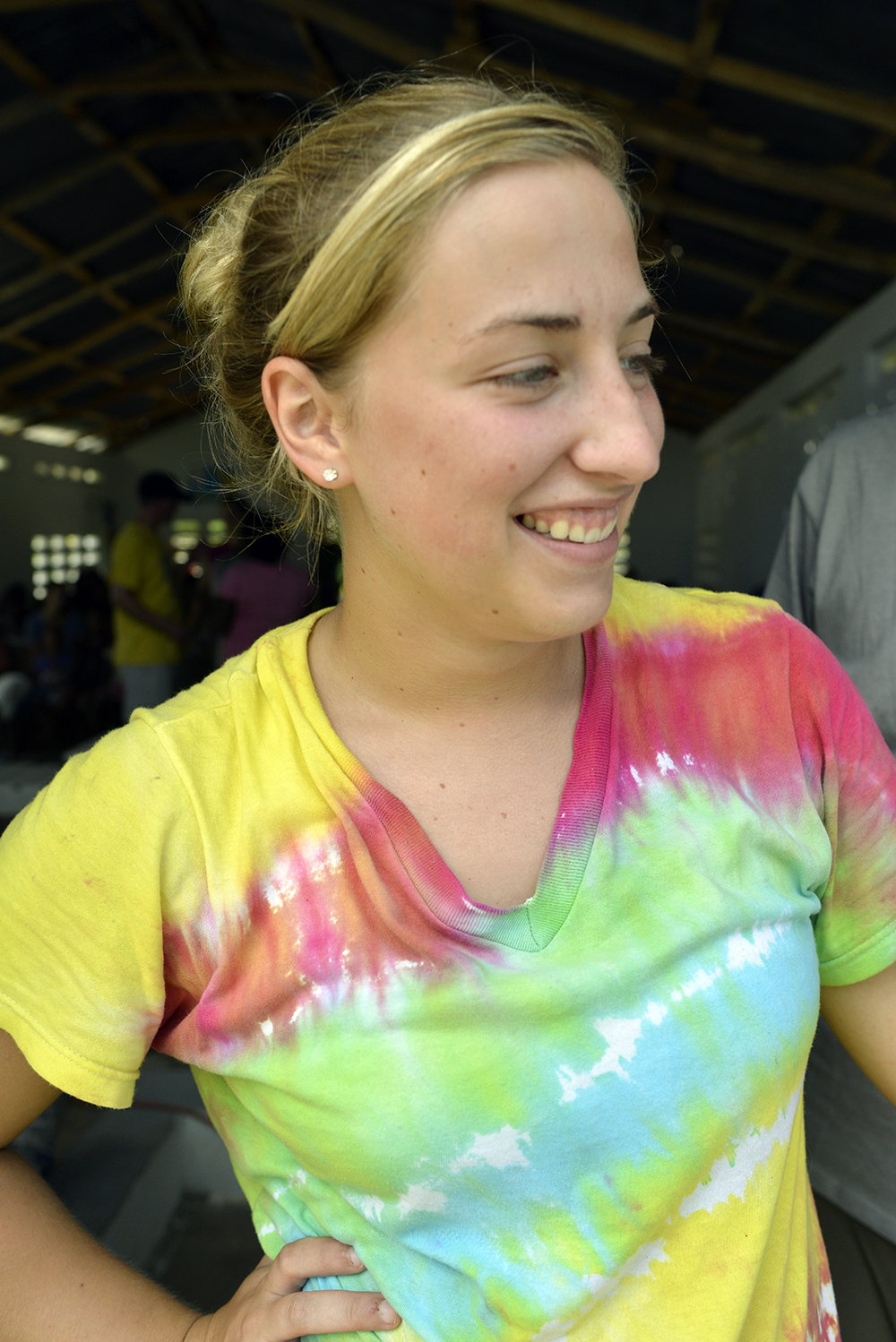
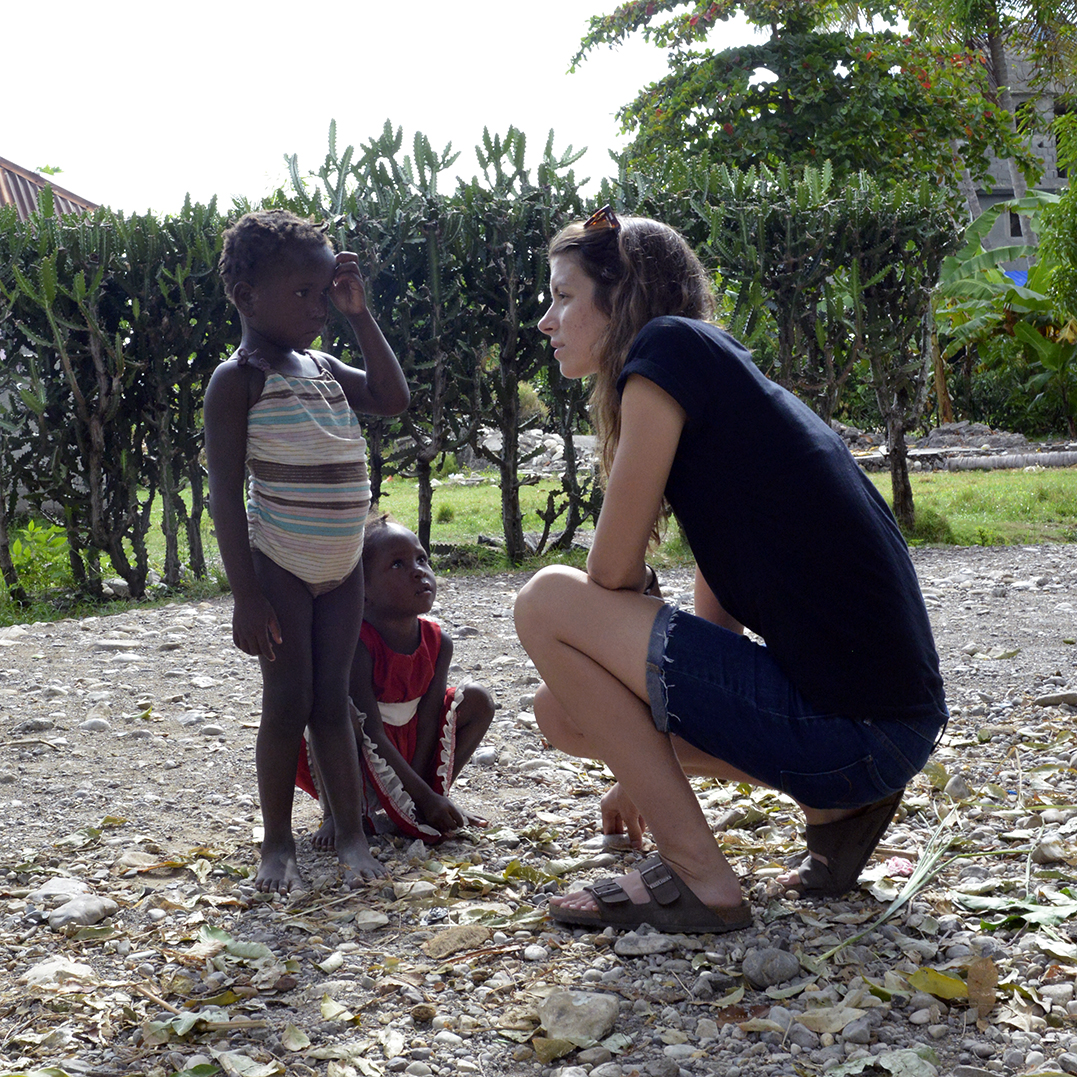
PPM staffer Caroline hanging out with the little girls during our construction projectWhat Jean Delcy learned when he got here was that the needs of the people were great… and since he was seen as a person of means… the people of the village started coming to him for help. Sometimes it was a small request, like a ride to town, or other times it was a bigger request like a 2 AM hospital run with a mother in labor only to have her deliver a baby in his backseat.
But these are his neighbors and he knows he can’t just ignore their needs. As he lived here longer he recognized more of their more basic needs. Such as,
Though the local fisherman can catch a lot of shrimp– enough to support their families, when they catch a lot they are at the mercy of the local buyer’s prices since they can’t freeze their catch. And since the buyer knows they can’t store the catch he pays a terrible price. There’s an urgent need and a huge opportunity for the community to freeze and store their catch so they can sell at a better market price.
Jean Delcy has started a school for the children, but the community is largely unable to afford proper education for all the kids, which puts them at greater risks for other issues. There’s simply more need there than he can currently reach.
Family planning is a major problem. It’s not unusual for a young woman to have her first baby at 14 years old. The average woman in the community has 6 children in her lifetime. In this case, he can see the problem and knows it’s impact on his community but lacks the resources needed to help in a big way.
While there is access to clean water in the community, there is virtually no sanitation for human waste. He has built 3 latrines, which is a start, but there is need for at least 27 more to meet the basic needs of the community to keep human waste out of the water, beaches, and oceans.
The communities greatest asset for fishing revenue and even the possibility of long-term investment by way of tourism or a related industry (condos, etc) is the beach and coastal access. They don’t have a pier for larger boats and currently the community is using the beach as their town dump and community bathroom.
Lastly, Haitian culture looks down on this community because it’s next to the sea. Haitian traditionally “turn their back to the sea” and use it as their dump. The villagers are mocked by others because they smell like the sea. Pastor is helping his community members see that what their culture sees as a liability is an asset to the rest of the world… Westerners LOVE the sea, coastal access, etc.
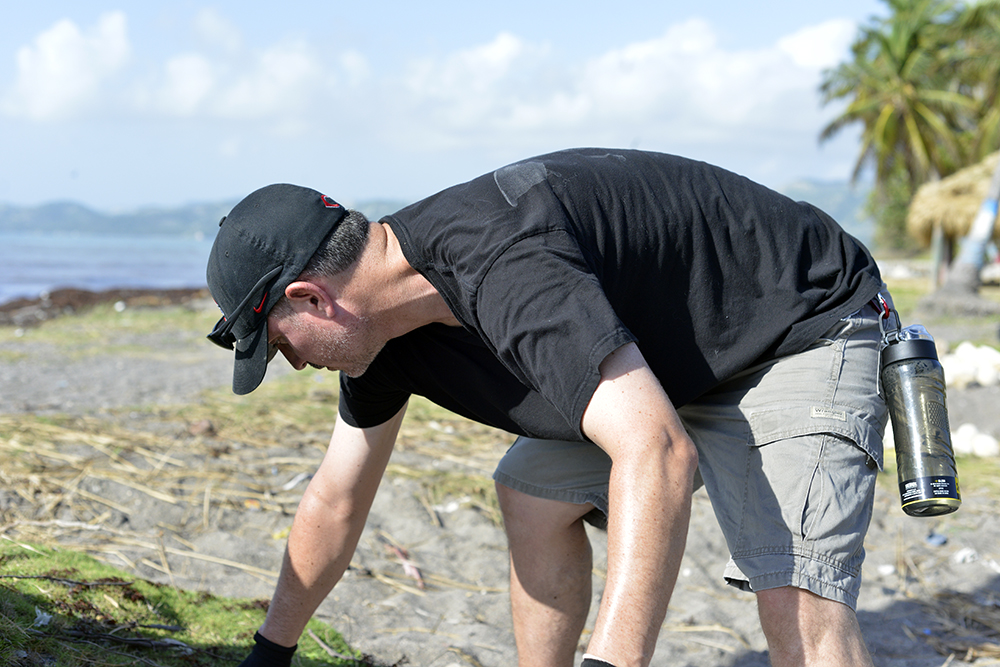
Steve Miller helps with beach renewalAnd then, about 18 months ago, the local community saw the need for a church. After trying unsuccessfully to convince a Les Cayes pastor to take on this community as a satellite or church plant (of sorts) the community recognized the obvious: Jean Delcy was already their pastor. He was caring for their physical needs and influencing the community for good to the point where it was obvious that he could also be their spiritual leader.
It’s Time for a Remarriage
A pastor is just a fancy church word for a shepherd. This illustration of the sheep and the shepherd is the most often used descriptor of the role of the church leader in the Bible. (If we want to divorce something, we ought to divorce ourselves from the idea that a pastor is a profession speaker or CEO… there’s simply no way to twist the New Testament enough to get to that mindset, though many are so deeply intwined in it they’ll defend their role to the death.)
And in our churches, beyond a shadow of a doubt, our pastors love their “sheep.” They care for their families, they teach the word of God, they create and foster programs to reach more people spiritually and a whole lot more. Sure, there are bad pastors out there. But the vast majority are amazing people trying their very best.
But… but… BUT… we can’t forget that a shepherd does more than love the sheep… he looks after their needs.
This is one thing that’s missing. Most of our churches don’t really look after the full needs of our flock, we care far more about spiritual neediness than we do physical neediness. Church leaders aren’t trained to even access a communities needs or the physical needs of people in their church because they have a false assumption that there are other entities already doing that.
The Best of Short-Term Missions
Let’s be frank. Over and over again I hear short term-mission maligned because it’s seen as some form of tourism. And I stand in full-acknowledgement that there are bad short-term mission trips out there. But you simply cannot toss out the baby with the bathwater in this instance because we have more to learnthan to give.
Yes, we have stuff to give. But we, as a tribe of leaders, must get out of our own ethnocentricity to learn from the success of Jesus’ church elsewhere.
Learn More
This week I’m in Les Cayes, Haiti sharing stories from a mission trip. Want to learn more about Praying Pelican Missions’ work in Haiti or explore bringing a group? Fill out the form below.










 Like other developing nations, Haiti has experienced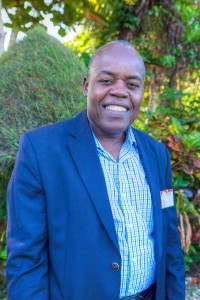
 OK, this remains true. If you are talking about economic development Haiti is absolutely the poorest nation in the Western Hemisphere.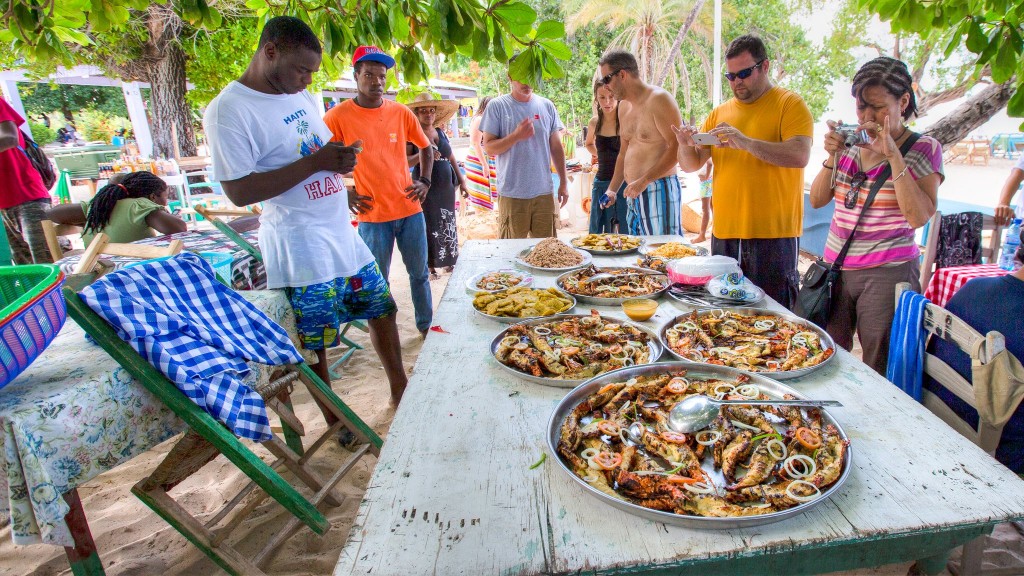
 One of the great sins of Western short-term ministries is bringing our bad habits and presenting them somewhere else as healthy.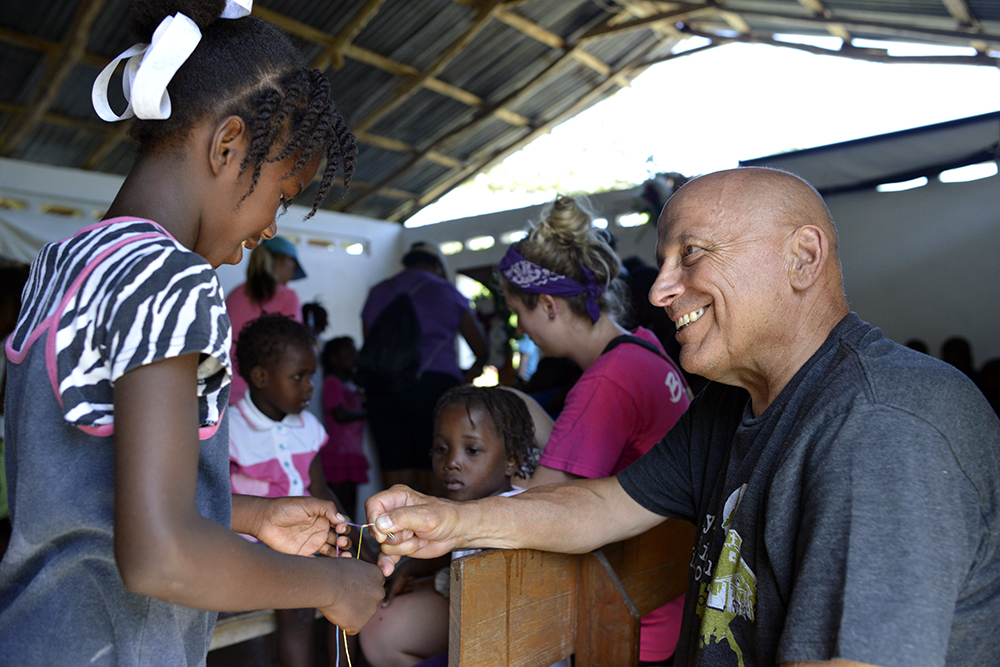
 A pastor is just a fancy church word for a shepherd. This illustration of the sheep and the shepherd is the most often used descriptor of the role of the church leader in the Bible. (If we want to divorce something, we ought to divorce ourselves from the idea that a pastor is a profession speaker or CEO… there’s simply no way to twist the New Testament enough to get to that mindset, though many are so deeply intwined in it they’ll defend their role to the death.)